
Scott A. Roecker
Vice President, Nuclear Materials Security
The 2026 NTI Nuclear Security Index (NTI Index) proposes an agenda for a new era of leadership at a moment when the risk environment leaves no room for complacency. Nuclear facilities and materials face growing risks from complex, sustained crises— underscored by the dozens of countries with nuclear facilities that are currently affected by war or violent conflict. The moment calls for new leadership and renewed commitments from Russia and the United States.
Russia and the United States, which together hold 79 percent of the world’s weapons-usable nuclear materials, have the greatest responsibility for anchoring the global nuclear security system. The NTI Index reveals a dramatic deterioration in nuclear security conditions in both countries. Russia’s suspension of crucial international cooperation and production of additional weapons-usable materials are the most significant drivers of its score decline. The United States has also suspended international cooperation, but the biggest driver of its reduced score—the largest ever for any country or area between editions of the NTI Index—is the erosion of the independence of the U.S. Nuclear Regulatory Commission.
The NTI Index also finds stockpiles of weapons-usable nuclear materials growing in a number of countries. The biggest contributors to this trend are those operating spent fuel reprocessing facilities, which rapidly accumulate separated plutonium and create significant and unnecessary risks for global nuclear security. Highly enriched uranium stockpiles are also on the rise in several countries, even as the global total slowly shrinks.
These increases are especially concerning given that most countries and areas with weapons-usable nuclear materials and nuclear facilities are showing slow or stalled progress on adopting and implementing fundamental nuclear security practices. Personnel-related security measures such as insider threat prevention and vetting remain weak or absent. Cybersecurity requirements in most countries are outdated, incomplete, or untested against today’s rapidly evolving threats. Progress on strengthening the regulatory bodies and technical institutions that sustain nuclear security regimes has stalled entirely. Forty-seven countries have yet to ratify the Amended Convention on the Physical Protection of Nuclear Material (CPPNM), and most governments that have pledged to secure radioactive sources have not translated those pledges into national law.
Fortunately, a promising countertrend is emerging from 12 countries with the potential to define the future of nuclear security. These countries—which include established nuclear security leaders and newer entrants—have stepped forward as a driving force for global progress by sustaining domestic improvements, supporting other governments, and deepening engagement with international institutions. Their example shows that where political will exists, progress is within reach.
There are two near-term opportunities for others to follow suit: the upcoming revision of the International Atomic Energy Agency’s (IAEA) benchmark security guidance, Information Circular 225, and the 2027 Review Conference for the Amended CPPNM. Processes and convenings like these are key moments for governments to renew commitments, set new goals, and lay the groundwork for further progress.
Responding to the risks and opportunities of the moment requires a new era of precise, dedicated, and sustained government leadership. The 2026 NTI Index’s recommendations constitute an agenda for action, identifying the priority steps that countries and areas should take to strengthen nuclear security and lead by example globally:
Sign up for our newsletter to get the latest on nuclear and biological threats.
“The bottom line is that the countries and areas with the greatest responsibility for protecting the world from a catastrophic act of nuclear terrorism are derelict in their duty,” the 2023 NTI Index reports.
The NTI Index is recognized as the premier resource and tool for evaluating global nuclear and radiological security.
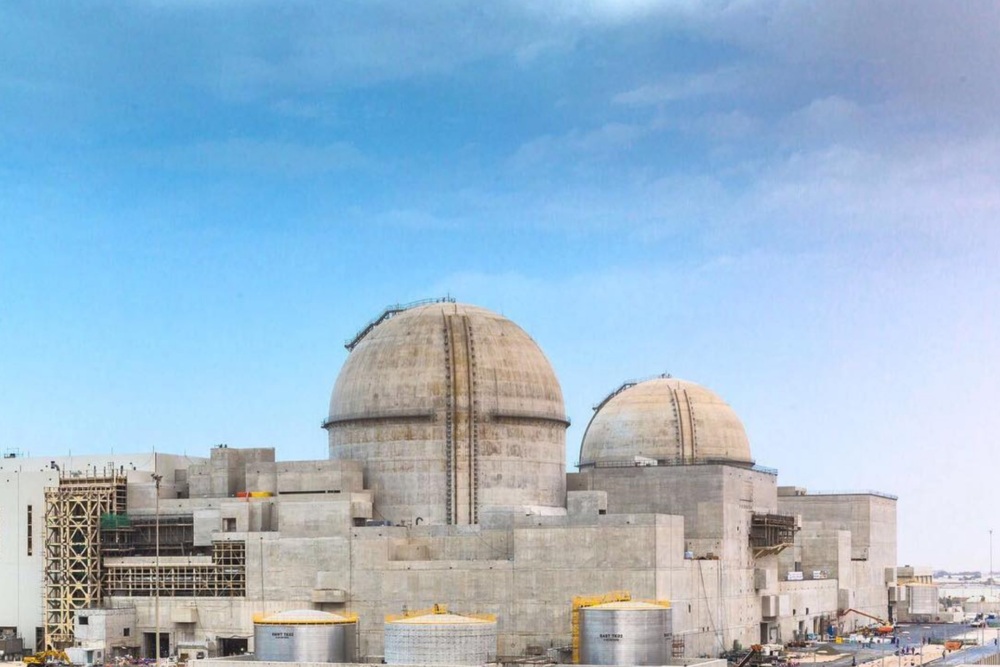
Strong nonproliferation practices can help pave the way for expediting and successfully expanding nuclear energy.
Sign up for regular updates on innovative, real-world solutions to existential threats.