

Sam Nunn
NTI Co-Founder and Chair Emeritus

NTI Board Co-Chair and CEO Ernest J. Moniz and NTI Board Co-Chair Sam Nunn have co-authored an article in Foreign Affairs (“Confronting the New Nuclear Peril: How a Global Fail-Safe Can Prevent Catastrophe”) about the need to find new avenues for preventing nuclear weapons use at an increasingly dangerous time. The authors highlight an “effective form of global threat reduction” already underway in the United States: a nuclear “fail-safe” review. They call on other countries with nuclear weapons to follow suit.
Mandated by Congress and ordered by President Biden, the independent review of U.S. nuclear systems is designed to prevent the accidental, mistaken, or unauthorized use of a nuclear weapon at a time when a host of factors have combined to heighten the risk of nuclear blunder.
With the erosion of arms-control agreements and other security mechanisms, the authors write: “In today’s perilous era, every nuclear weapons state has a vital national interest in using all available tools to prevent a mistake or security breach from turning into a disaster. The same dangerous and potentially deadly dynamics that have spurred Washington to pursue a fail-safe review almost certainly exist in other capitals.”
Acknowledging that the war in Ukraine and other geopolitical tensions may make the “the ultimate nuclear fail-safe measure”—the verifiable elimination of nuclear weapons—unrealistic in the near term, Moniz and Nunn write: “Even if the goal of global disarmament remains elusive, there is still much that nuclear-armed states can do now to prevent a potential catastrophe. The world cannot afford to wait for more peaceful times to reduce the risks of nuclear use.”
Sign up for our newsletter to get the latest on nuclear and biological threats.
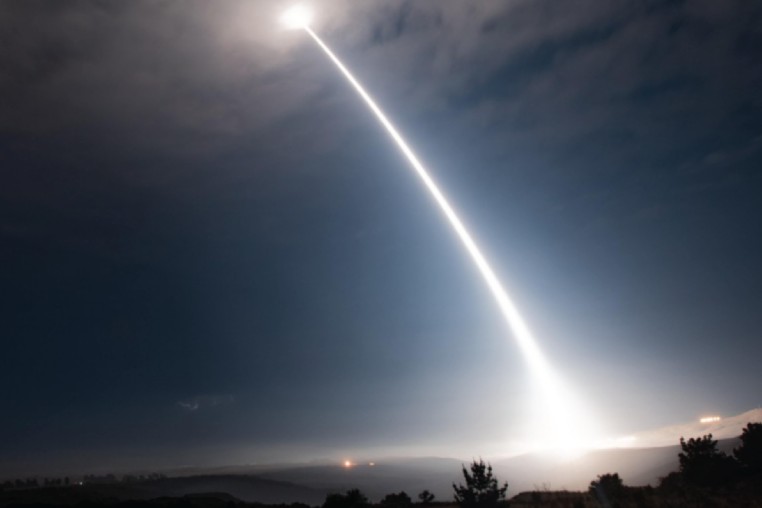
Today's food, water, energy, trade, financial, and governance systems are tightly linked and built for efficiency, not resilience. In such systems, even a "limited" nuclear exchange could trigger cascading failures such as soaring food prices, collapsing water and power systems, and economic shocks far beyond any blast zone—overwhelming governments at the very moment they are most needed.

Decisions that countries are considering now could determine whether nuclear energy in the region actually moves forward, at what scale, and whether it is ultimately a problem-solver or a problem-maker. This article organizes the future of nuclear energy in Southeast Asia around four decision points: strategic goals, technology selection, fuel sourcing, and waste management.
The 2026 NTI Nuclear Security Index proposes an agenda for a new era of leadership at a moment when the risk environment leaves no room for complacency.
Sign up for regular updates on innovative, real-world solutions to existential threats.