The Girl With 1,000 Paper Cranes
Part of Heroes and Hiccups: True Stories about Nuclear Weapon Risks
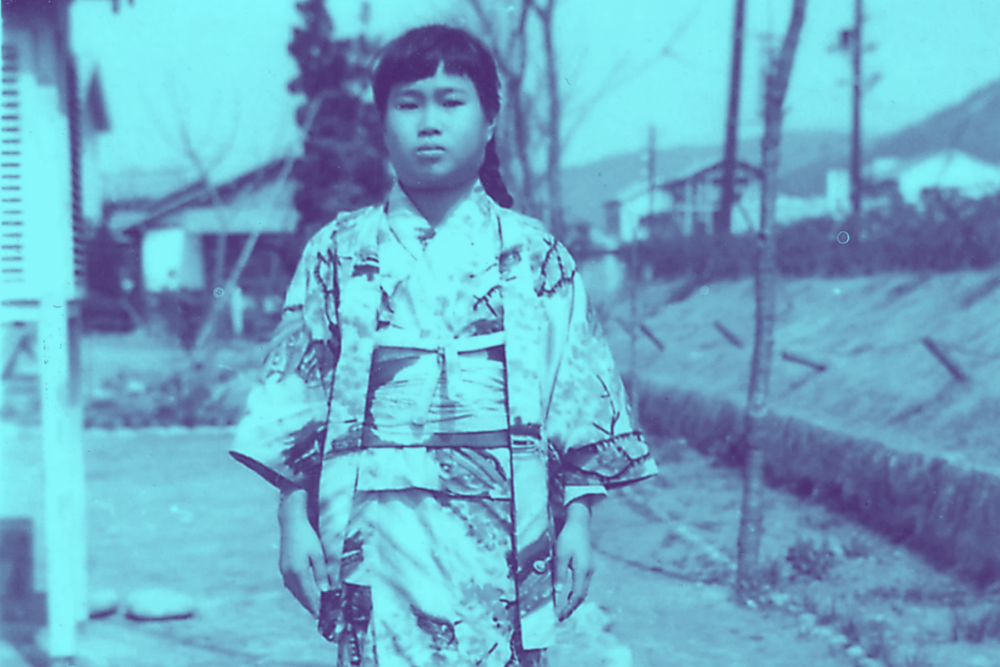
Sadako Sasaki
Sadako Sasaki survived the Hiroshima bombing as a 2-year-old. Ten years later, when she developed leukemia, she folded 1,000 origami cranes according to a Japanese tradition in the hopes that her wish to live would be granted.
After she died, Sadako’s classmates memorialized her with a statue near the bomb’s epicenter. Thanks to her, the crane became a global symbol of peace and hope, and visitors to Hiroshima still leave cranes in her honor.
More Resources:
Explore the Collection
When Yeltsin Reached for the Nuclear Briefcase
When Hawaii Ducked and Covered
Georgia’s Lost Nuke
When a Bear Almost Set off WWIII
The Cuban Missile Crisis You Never Heard About
When the Unattended Baggage is Nuclear
Nukes Need Designated Drivers, Too
Plutonium, Drugs, and the Japanese Mafia
When We Leaked Nuclear Secrets on a Free App
Cheating, Drugs, and the Nuclear Codes
Cheerios and Finding Lost Nukes
When the FBI Raided a U.S. Nuclear Facility
When Nuke Tests Killed John Wayne
The Man Who Saved the World
Your are currently on
The Girl With 1,000 Paper Cranes
The Physicist Who Wanted No Part in a Bomb
The Single Mom Who Mobilized Millions
The Analyst Who Called the Cuban Missile Crisis
The Man with Iraq’s Bomb in his Garden
The Nun Who Broke Into “Nuclear Fort Knox”
The Civil Rights Icon Who Protested Nukes, Too
When the People’s Astronomer Risked his Reputation
A Beautiful Day in the Neighborhood?
Pediatrician vs. Nuclear War
Stay Informed
Sign up for our newsletter to get the latest on nuclear and biological threats.
More on
Nukes on Screen: The Entertainment Industry’s Go-To Resource on Nuclear Weapons
NTI's Critical Mass Project supports the creative community to tell stories about nuclear risks in film and television.

When Yeltsin Reached for the Nuclear Briefcase