

Elise Rowan
Deputy Vice President, Communications
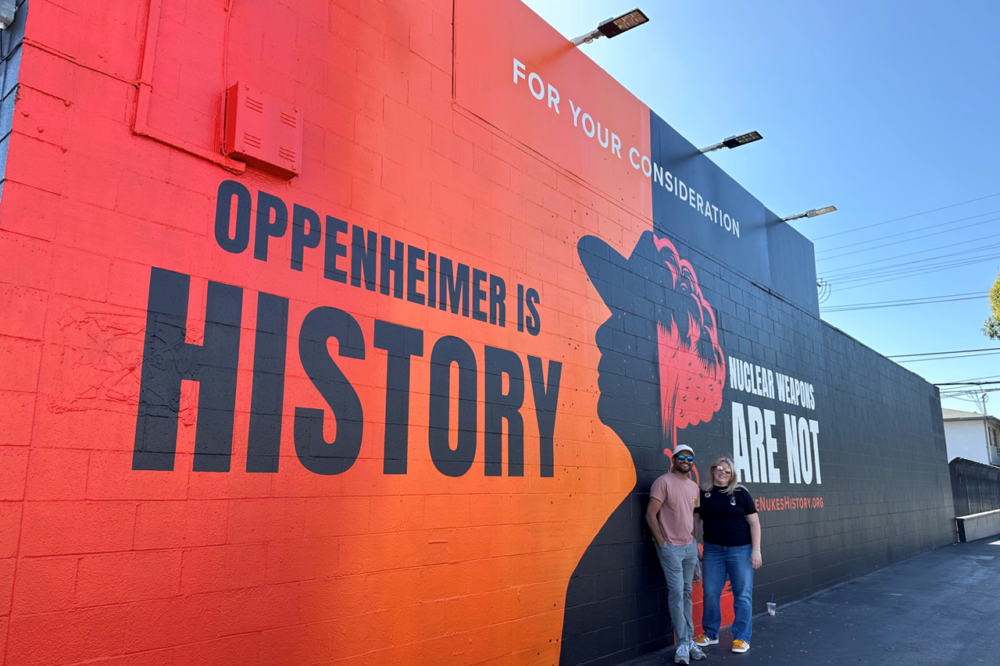
About the image
Confession: I saw Oppenheimer three times—mostly because of the film’s overlap with my job but also because the Oscars are my personal super bowl. My first viewing was with the entire NTI team on opening night. Sitting in my seat that July evening, I remember hoping (praying?) that the film would leave audiences with a better understanding of the inhumanity and riskiness inherent with nuclear weapons. For those who have seen the film, the gym scene and the final exchange between Einstein and Oppenheimer (followed immediately with images of today’s nuclear weapons to close out the film) did the trick. But as Oppenheimer gained Oscar buzz, it became clear: Everyone was talking about the movie, but no one was talking about nuclear weapons.
NTI set out to change that, and in the lead-up to the Oscars, my colleague Ravi Garla and I were plotting a small effort to do some sidewalk message chalking in high-traffic areas of Los Angeles. But when a generous, anonymous donor challenged us to scale up our ambition, we rose to the challenge—designing and bringing to life a bold, multichannel campaign in just six weeks.
With our partners TaskForce, we landed on a campaign concept that highlighted the duality of the film and reality: Oppenheimer had 13 Oscar nominations; the world coincidentally had 13,000 nukes. Oppenheimer was a story about history, but nuclear weapons are still with us. And most importantly, J. Robert Oppenheimer started the nuclear age, BUT it’s up to us—Hollywood and us mere mortals—to end it.
Over the course of six weeks, NTI and TaskForce pulled off the following:
It was gratifying for all of us at NTI and a powerful reminder that artists and storytellers have great power to shift narratives and influence audience beliefs.
Since March, NTI has been building a new initiative to engage culture-makers and storytellers to build on the legacy of Oppenheimer, The Day After, Dr. Strangelove, and more to show audiences the absurdity of relying on nuclear weapons to keep us safe and underscore that it’s up to us to end nukes before they end us.
Together, we can make nukes history.
Sign up for our newsletter to get the latest on nuclear and biological threats.
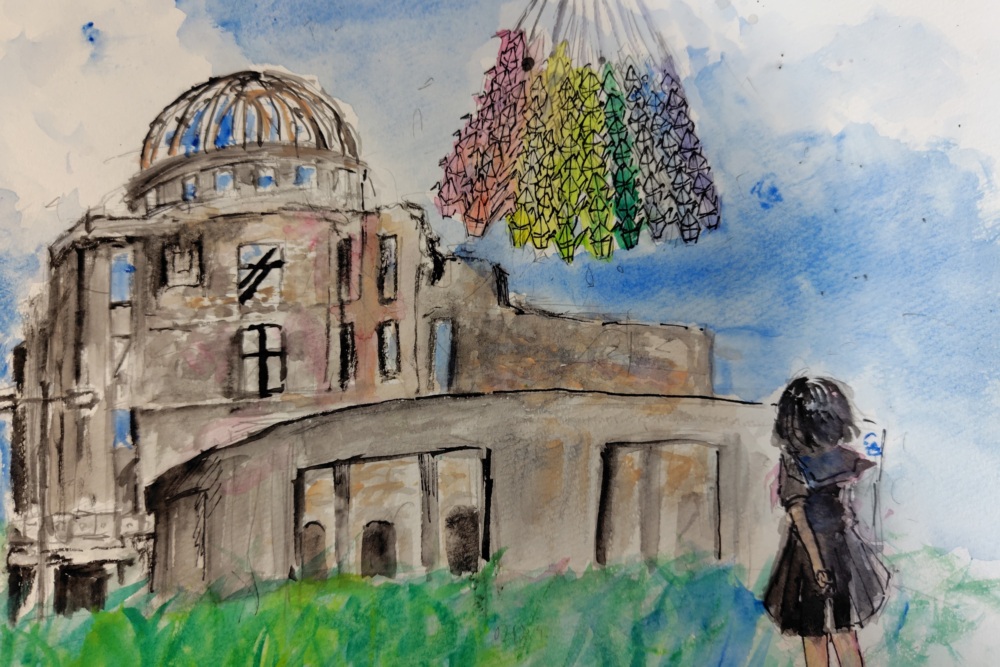
NTI’s Hiroshima and Nagasaki commemoration activities this year centered on the theme of passing the torch to the next generation. The result was an intergenerational connection reflected in two artists: 88-year-old Hiroshima survivor Toshiko Tanaka, and 13-year-old painter Kotone.
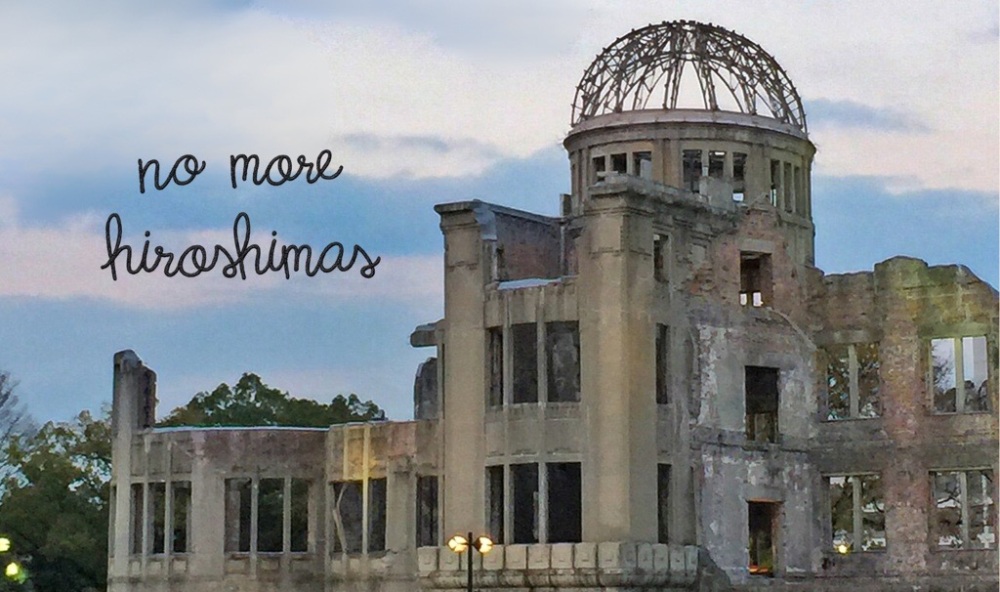
On the morning of August 6, 1945, in Hiroshima, Japan, parents shared breakfast with their children and sent them off to school. Some never came home. NTI is commemorating Hiroshima and Nagasaki through a series of activities that encourage remembrance, reflection, and wider awareness.
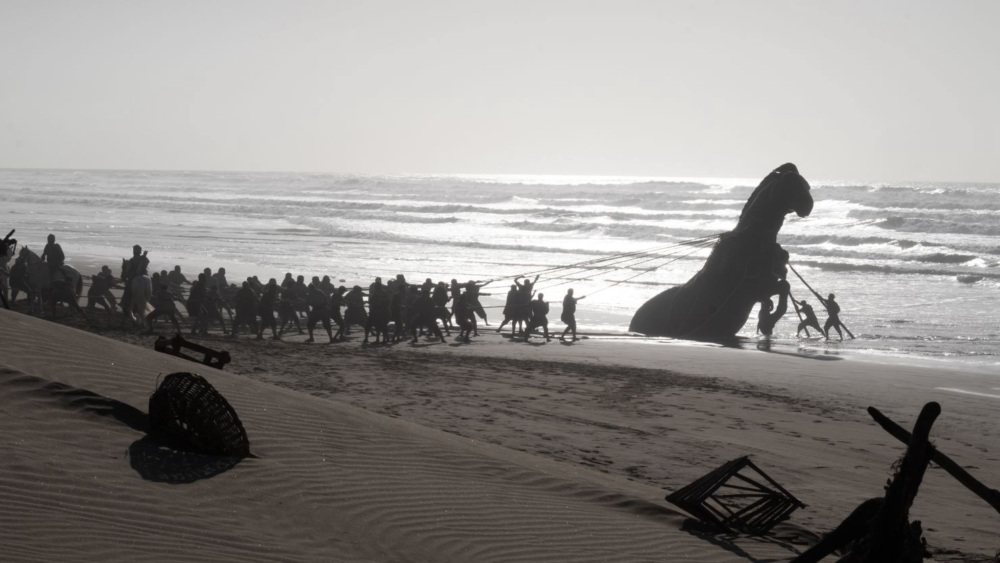
In Nolan’s new film, The Odyssey, he gives Odysseus the reckoning he never gave Oppenheimer. The parallel he appears to be drawing is that the same tunnel vision that produced the Trojan Horse produced the Manhattan Project, and each comes with the same casualty: civilians treated as collateral damage in order to win a war.
Sign up for regular updates on innovative, real-world solutions to existential threats.