Here we highlight the work of NTI and share knowledge, ideas, and viewpoints addressing the crosscutting challenges our world faces—addressing risks while supporting innovation—to make our world safer.
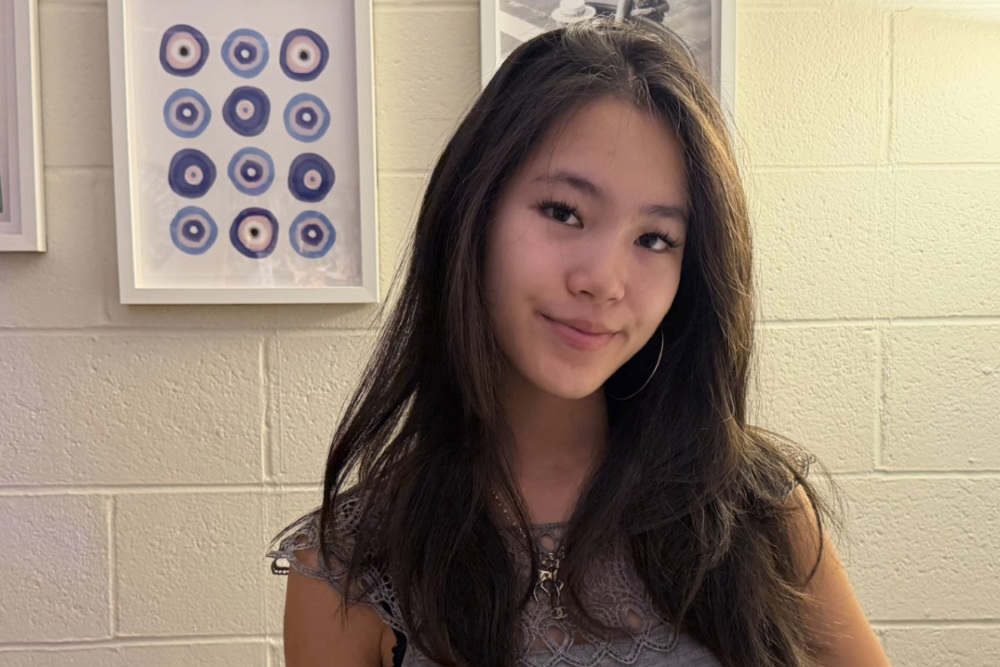
Angela Guo is a high school student from Hong Kong currently studying at Phillips Academy Andover. She has spent the past year researching the impacts of nuclear testing on the Marshall Islands and recently published her first book, “At the Tide’s Mercy: Voices from the Marshallese Exodus”.
The convergence of artificial intelligence and the life sciences is reshaping what’s possible in biology, delivering major advances–ranging from accelerating vaccine discovery to advancing new tools for mitigating the effects of climate change–and new risks. NTI | bio’s AIxBio Horizon Scan looks ahead to where AIxBio capabilities are headed over the coming years.
Managed Access: Preventing AI from Designing Deadly Pathogens
A growing number of the world’s leading experts in health security and the life sciences are warning that unfettered open access to biological data could help AI design dangerous pathogens and are calling for safeguards on high-risk data to prevent misuse of AIxBio tools. Their warnings represent growing momentum behind an idea that NTI has championed: using managed access as a tool to strengthen biosecurity and safeguard rapidly advancing AIxBio capabilities.
Why Responsible AIxBio Innovation Must Be on New Delhi’s Agenda
Some of the world’s largest AI companies—Google DeepMind, OpenAI, and Anthropic—have warned that their models could be misused to cause harm with biology. The India AI Impact Summit is a critical moment for policymakers, scientists, developers, and biosecurity experts to work together on responsible governance that reduces AIxBio risks.
How the U.S. Maintains Its Nuclear Arsenal—Without Explosive Testing
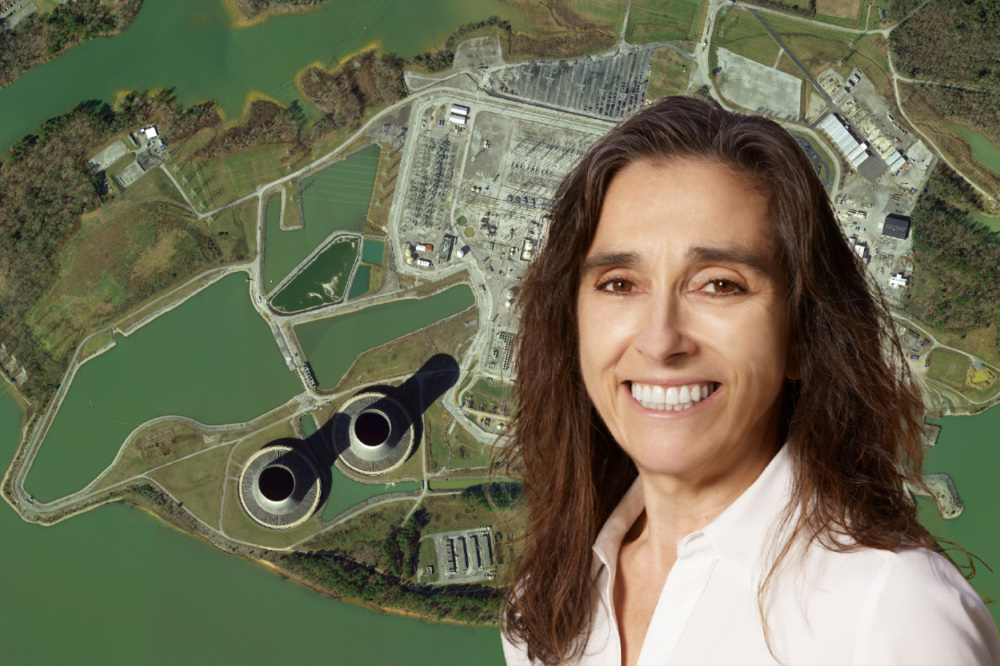
The U.S. ended explosive nuclear testing in the 1990s, but that does not mean we are unprepared. In its place, the U.S. uses a science-based program that checks the health of the stockpile continuously and reports out every year to the President.
Unlike past technological disruptions to global security which were driven by governments, market forces and business dominate today’s global innovation space. This includes working not only with thought leaders, but the doers that affect change. The latest FutureSafe Innovation Forum welcomed Dr. Kimberly Budil, Director of Lawrence Livermore National Laboratory, to discuss the future of national security science.
Innovation requires security, and security requires innovation. Congress needs to act decisively to ensure U.S. leadership in biotechnology is paired with governance that keeps its development secure.
As the capabilities of biological AI tools continue to advance at an accelerating pace, it is vital that DNA synthesis providers and others in the biosecurity space embrace new guardrails to prevent their misuse.
Strengthening Trust in Bioscience Research & Development
Over the past decade, governments, private industry, and academic institutions have increased their investments in bioscience research and development, yielding global benefits. However, these advancements have also increased the risk of deliberate misuse of biology to cause harm.
ChatGPT Agent Setting Industry Leading Example for Biosecurity Safeguards
OpenAI's latest release, ChatGPT Agent, represents a significant leap forward in artificial intelligence capabilities—and with it comes a thoughtful, proactive approach to managing the biosecurity risks that advanced AI systems can pose.
Since the emergence of the term in the late 20th century, “biosecurity” has had a wide variety of meanings. While biosecurity is fundamental to the work of NTI | bio, we have not explicitly laid out our definition of biosecurity — until now.