


Nuclear weapons exist in a more complex geopolitical environment than they did in 1945. Nuclear-armed states are more frequently involved in conflicts, while emerging technologies continue to reshape warfare. Although nuclear weapons have evolved since the Cold War, the information environment surrounding them has changed dramatically.
Most young Americans have no memory of duck and cover nuclear bomb drills, the catastrophic bombings of Hiroshima and Nagasaki, or the decades-long arms race between the United States and the Soviet Union.
Younger generations understand nuclear weapons through digital screens rather than personal experience. The future of nuclear risk reduction hinges on the ability to communicate with and engage young people directly; to educate and mobilize them around nuclear issues.
Social media has transformed how information is shared and discussed. It allows political leaders, diplomats, and organizations to communicate with their audiences at a scale and speed that was once impossible.
As Secretary of State, Hillary Clinton spearheaded the 21st Century Statecraft initiative to integrate emerging digital technologies into U.S. diplomacy. The effort recognized that digital engagement tools could strengthen traditional foreign policy and diplomatic outcomes. Twenty-five units at the Department of State (DOS) managed various social media and global technology platforms. Through dozens of social media accounts in multiple languages, the department expanded its ability to communicate directly with global audiences. This marked a shift in diplomatic activity, recognizing direct public engagement through technology as essential to modern statecraft.
As governments embraced digital diplomacy, then-U.K. Foreign Secretary William Hague demonstrated how social media could be used to listen and understand communities, not merely broadcast messages. He launched #MeetFS, inviting the public to share ideas that could have the greatest impact on the world over the next 20 years. Thousands of responses were received, with the strongest ideas shared publicly through Storify. #MeetFS encouraged collaboration and collective engagement. It showed how digital tools could bring more voices into foreign policy conversations.
If digital communications can reshape public diplomacy, it also can reshape how people understand and engage with nuclear risks. At a time when nuclear issues often seem distant, complex, and inaccessible, social media offers a way to connect experts and the public. The International Campaign to Abolish Nuclear Weapons (ICAN) demonstrates how social media can advance nuclear risk reduction. Founded in 2007, ICAN helped build the global movement that contributed to the adoption of the Treaty on the Prohibition of Nuclear Weapons (TPNW).
Through campaigns such as #ICANSave, the organization has expanded nuclear disarmament conversations beyond diplomatic meetings and into the public sphere. Infographics, videos, and survivor testimonies make complex nuclear issues more accessible, while digital outreach presents the movement as global, diverse, and youth driven.
ICAN has also used digital organizing to reach local governments to support the movement and engage their younger citizens. One example is #G7YouthVsNukes, a campaign organized around the 2023 G7 Summit in Hiroshima that connected young people with experts to discuss nuclear disarmament. While ICAN has used social media to mobilize action, organizations like the Nuclear Threat Initiative (NTI) have embraced memes and pop culture moments to make complex issues more accessible.
NTI’s engagement with cultural phenomena like Oppenheimer and “Barbenheimer” show how organizations can meet audiences where they are, using familiar online conversations as a gateway to discussions about existential threats. NTI partnered with TaskForce to launch “Make Nukes History.” This award-winning campaign used billboards, public art, TikTok creators, and an open letter from cultural leaders to connect buzz surrounding Oppenheimer with real-world action.
A year later, amid discussions of resuming explosive nuclear weapons testing in Nevada, NTI deployed a public education campaign to mobilize communities to form the Nevadans Against Nuclear Weapons Testing coalition. The initiative showed the power of organizing digital platforms, news media, posters, and canvassing.
Data supports these efforts. NTI’s “Make Nukes History” gained national and international coverage across traditional and new media. Social media reached more than five million people while simultaneously earning more than 300 broadcast hits globally. The public education initiative in Nevada successfully led the Nevada state legislature to unanimously pass a resolution opposing explosive nuclear weapons testing.
More broadly, a report by the United Nations Children’s Fund (UNICEF) found that digital engagement is often more effective at reaching young people than traditional forms of civic engagement – and it’s more equitable.
Digital platforms play a central role in how young people consume news, engage in politics, enjoy entertainment, and participate in day-to-day life. Bringing nuclear messages to these screens offers an opportunity to inform audiences about complex issues. As nuclear threats grow, so does the need to prepare the next generation to address them. Doing so requires meeting young people where they already gather, exchange ideas, learn, and engage with the world.
Investing in digital outreach and accessible content is not simply a communications strategy to reach young people. It is an investment in a future generation of active, informed leaders who understand the lessons of Hiroshima, Nagasaki, and the victims of nuclear warfare. As philosopher George Santayana famously warned, “Those who cannot remember the past are condemned to repeat it.”
Sign up for our newsletter to get the latest on nuclear and biological threats.

Angela Guo is a high school student from Hong Kong currently studying at Phillips Academy Andover. She has spent the past year researching the impacts of nuclear testing on the Marshall Islands and recently published her first book, “At the Tide’s Mercy: Voices from the Marshallese Exodus”.
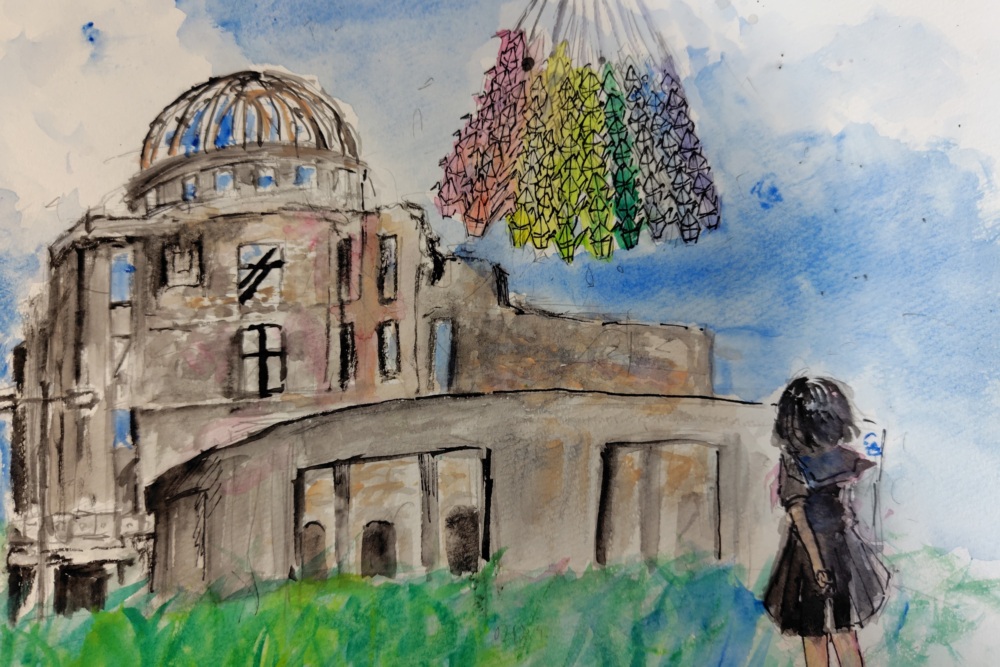
NTI’s Hiroshima and Nagasaki commemoration activities this year centered on the theme of passing the torch to the next generation. The result was an intergenerational connection reflected in two artists: 88-year-old Hiroshima survivor Toshiko Tanaka, and 13-year-old painter Kotone.
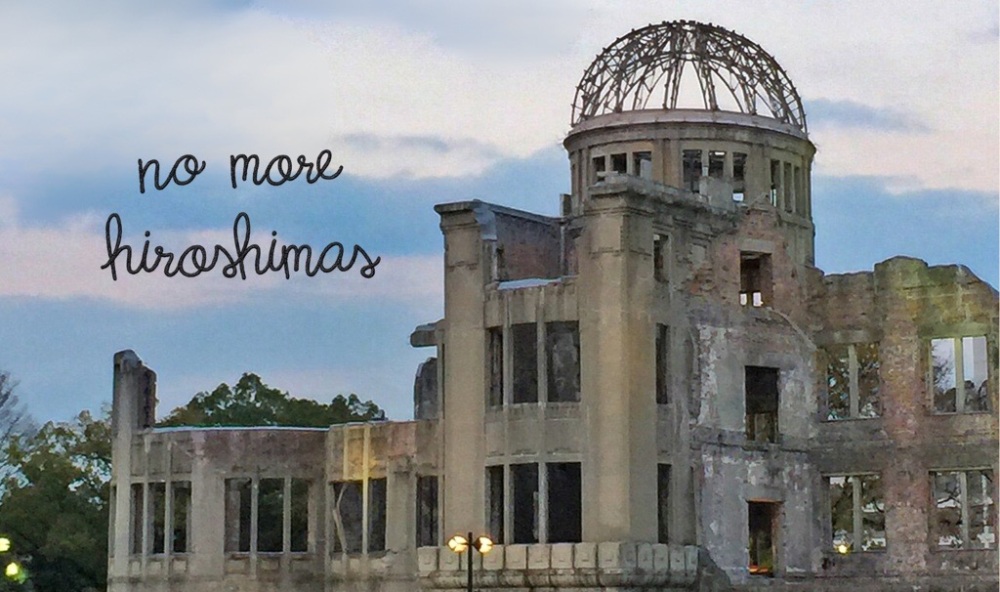
On the morning of August 6, 1945, in Hiroshima, Japan, parents shared breakfast with their children and sent them off to school. Some never came home. NTI is commemorating Hiroshima and Nagasaki through a series of activities that encourage remembrance, reflection, and wider awareness.
Sign up for regular updates on innovative, real-world solutions to existential threats.