
Mary Olney Fulham
Director, Communications

Scientific innovation brings great societal benefits, but it also can create grave new risks. At NTI, we focus on the most complex, challenging global security risks, from those posed by nuclear stockpiles and bioweapons to pandemics and new and emerging AI-enabled threats that the world is only beginning to understand.
Our business, so to speak, is to address these risks and offer solutions to reduce and mitigate the potential harms to humanity through innovation, cooperation, and action on a global scale. Too often, people tune out when they hear about catastrophic risks. They think it sounds too wonky, abstract, or academic. But the world can’t afford a disengaged public when it comes to risks that threaten our very existence. The reality is that the risks are real, they impact everyone, and everyone should have an opportunity to better understand them so that they can help do something to build the safer future we all deserve.
To help translate our work, first, we learned to love the meme. Now, we’re revisiting our approach to blogging.
Risky Business is born.
This blog—formerly known as Atomic Pulse—will showcase NTI team members and the work of NTI programs through informative and engaging content. It will be a place where anyone can come to learn more about the global security challenges our world is facing. As your co-editors, we are dedicated to building community and igniting conversations that engage more people. By unpacking nuclear, biological, and emerging tech-related risks and solutions Risky Business will make complex themes as accessible as possible.
In short:
What you will find here: clear information, innovative ideas, and accessible analysis (maybe even a meme or two?) around the crosscutting challenges our world faces—all in the name of building a safer world.
What you will not find here: dense position papers, indecipherable infographics, or exhausting policy papers that make already complex matters even harder to understand.
Meet your co-editors:
Have an idea you would like us to cover on the blog? Drop us a note: [email protected] / [email protected].
Sign up for our newsletter to get the latest on nuclear and biological threats.

Younger generations understand nuclear weapons through digital screens rather than personal experience. The future of nuclear risk reduction hinges on the ability to communicate with and engage young people directly; to educate and mobilize them around nuclear issues.
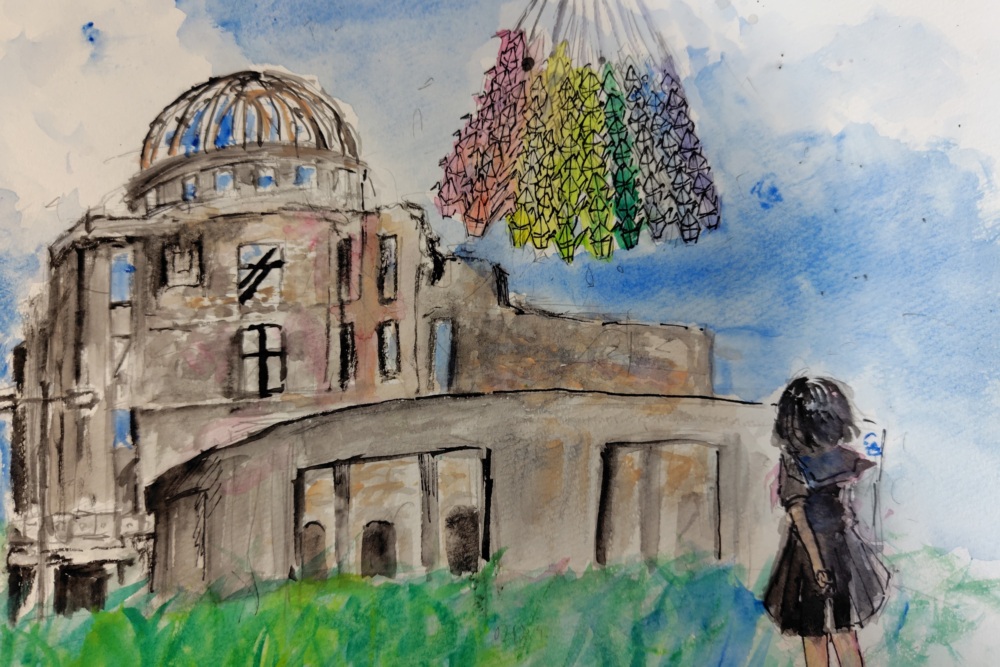
NTI’s Hiroshima and Nagasaki commemoration activities this year centered on the theme of passing the torch to the next generation. The result was an intergenerational connection reflected in two artists: 88-year-old Hiroshima survivor Toshiko Tanaka, and 13-year-old painter Kotone.
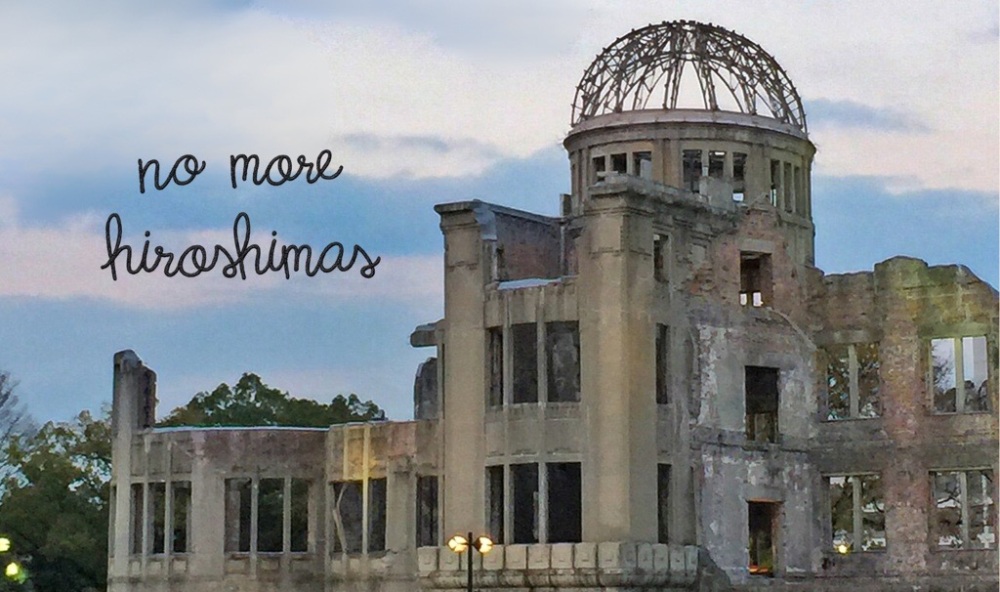
On the morning of August 6, 1945, in Hiroshima, Japan, parents shared breakfast with their children and sent them off to school. Some never came home. NTI is commemorating Hiroshima and Nagasaki through a series of activities that encourage remembrance, reflection, and wider awareness.
Sign up for regular updates on innovative, real-world solutions to existential threats.