

Article
The Critical Mass Project
Building a critical mass of public support to eliminate nuclear weapons risks.
Article
Building a critical mass of public support to eliminate nuclear weapons risks.
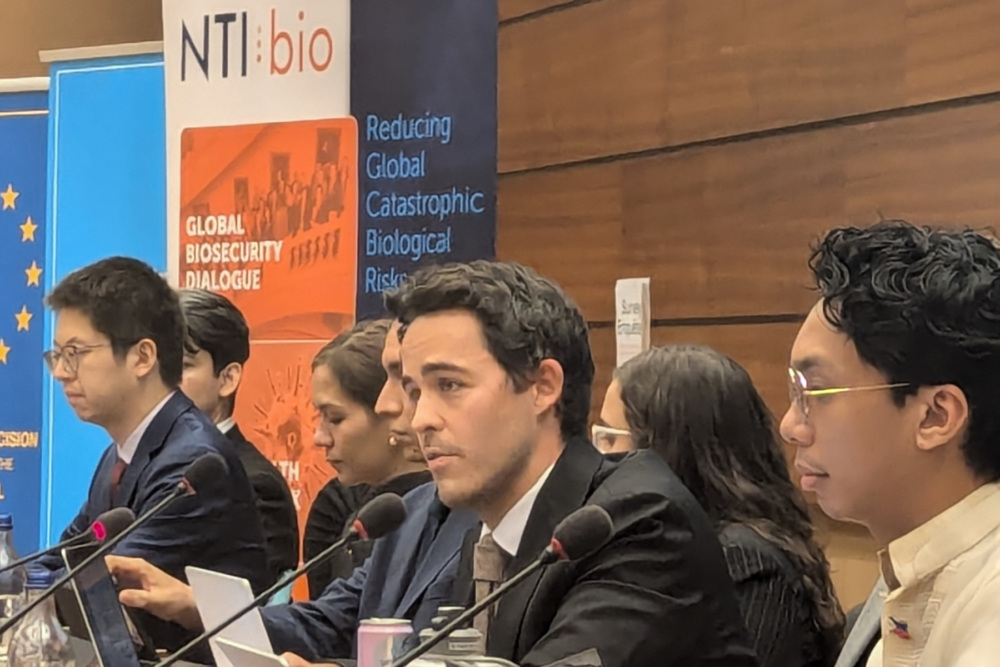
NTI | bio hosts this competition to provide a platform for the next generation of global leaders in biosecurity to develop original concepts and share them with the wider biosecurity community.

Article
Building a political bulwark against any efforts to break a decades-long moratorium and resume explosive nuclear testing in the United States.
Article
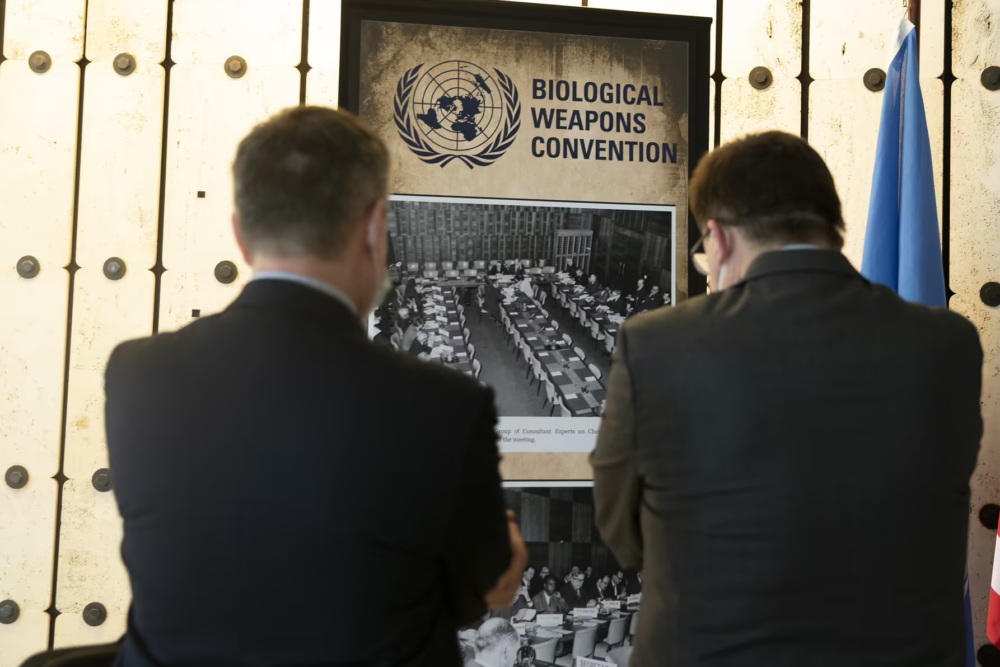
Strengthening international capabilities to uphold the norm against bioweapons development and use.
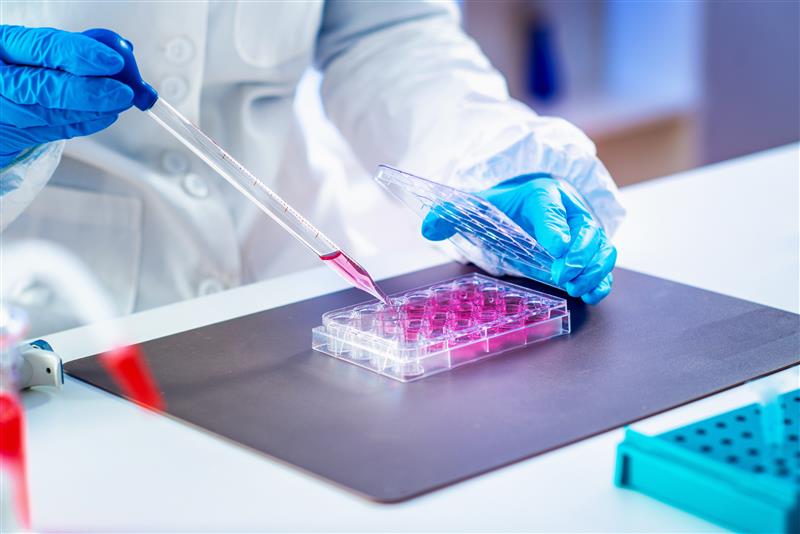
Over the past decade, governments, private industry, and academic institutions have increased their investments in bioscience research and development, yielding global benefits. However, these advancements have also increased the risk of deliberate misuse of biology to cause harm.

August 29 is the International Day Against Nuclear Tests—a time to recognize the devastating toll of nuclear weapons tests and to recommit to a future without them.

Students and early-career professionals from 19 countries across five continents entered the 2025 competition. The challenge called for innovative papers on how to define “biological weapons” in today’s ever evolving biothreat landscape.
U.S. foreign assistance programs to Russia and the Newly Independent States (NIS) aimed at ensuring the safety and security of WMD assets. (CNS)
Information and analysis of nuclear weapons disarmament proposals and progress in Belgium.
This articles provides an overview of Russia's heavy bomber force, including its organization, primary mission and armaments. (CNS)
Sign up for regular updates on innovative, real-world solutions to existential threats.