
Jake Jordan, PhD
Vice President, Global Biological Policy & Programs
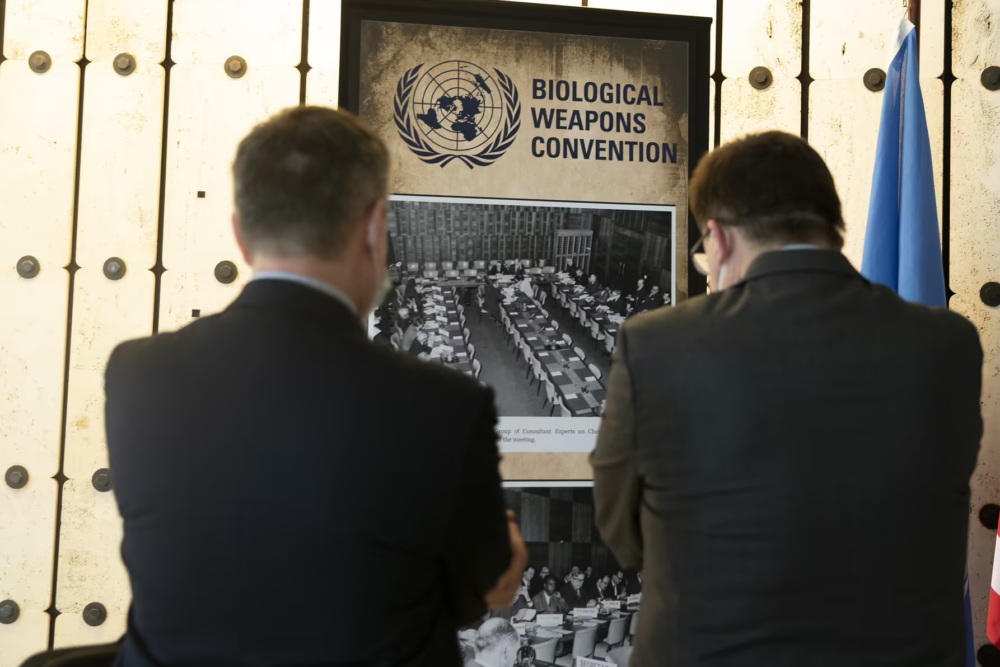
State bioweapons risks are increasing due to rapid scientific advances and geopolitical tensions, while international institutions lack adequate tools to prevent development and use.
Develop and promote policies and tools to shape state intentions, reduce misperceptions, and make bioweapons development and use strategically unattractive.
Stronger international mechanisms to uphold the norm against bioweapons, including capabilities to better detect, attribute, and hold states accountable for bioweapons development or use.
The risk of biological weapons development and use by states is rising as rapid scientific and technological advances are making it easier to develop increasingly sophisticated and powerful biological weapons. At the same time, growing geopolitical tensions are exacerbating mistrust among states, increasing risks of misperceptions and arms racing behaviors. These developments are challenging the effectiveness of traditional arms control measures.
While the Biological Weapons Convention (BWC) remains the cornerstone of international efforts to uphold the norm against biological weapons, it faces significant limitations. These limitations include a small budget leading to limited operational capacity, the lack of a robust mechanism for assessing compliance, and a consensus-based decision-making process that can stall progress. To address these issues, it is critical to strengthen the global biosecurity architecture that reinforces transparency, attribution, and accountability measures.
Reducing the risk of state-led biological weapons development and use will require establishing much stronger disincentives for actions that violate international law, while increasing incentives for compliance. Through several lines of effort, NTI is working with international partners to develop and promote practical, innovative policy and technical solutions to make biological weapons unattractive to states:
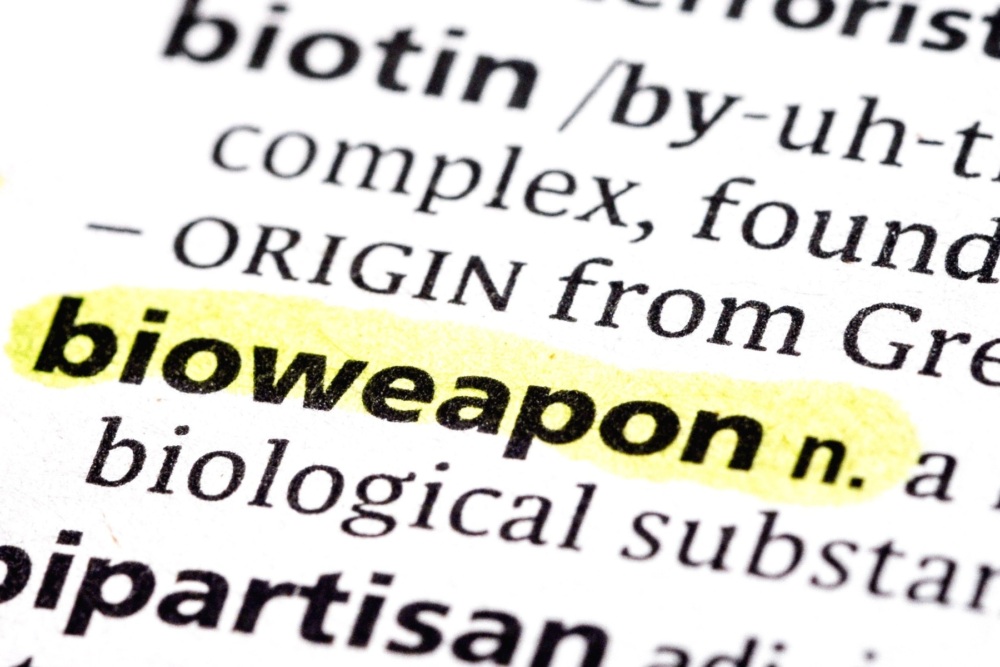
As scientific and technological advances accelerate, the Biological Weapons Convention (BWC) faces a defining test. The BWC’s future depends on whether the world can match the pace of biological innovation with equally ambitious efforts to prevent catastrophe.

The Nuclear Threat Initiative (NTI) joined world leaders and policymakers at the 2026 Munich Security Conference (MSC), where NTI President and CEO Christine E. Wormuth and colleagues hosted events focused on reducing nuclear, biological, and emerging technology threats imperiling humanity.
Past Event
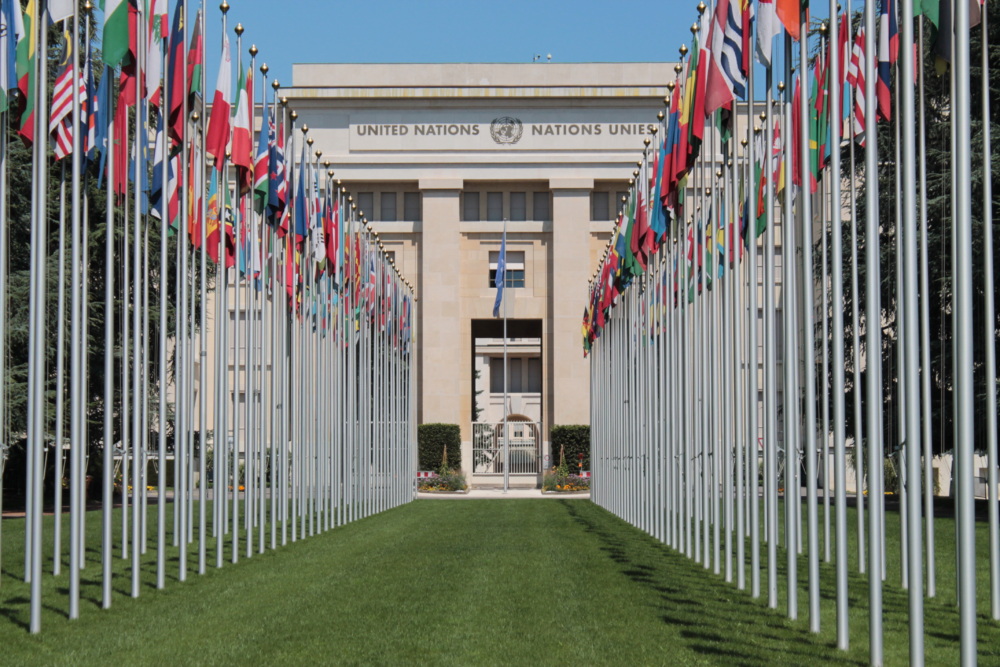
Palais des Nations Geneva, Switzerland

At the UN General Assembly President Trump announced his administration’s intention to harness artificial intelligence to help uphold the international ban on biological weapons. Using advanced technology to strengthen the Biological Weapons Convention is a promising step and an approach NTI has long supported.
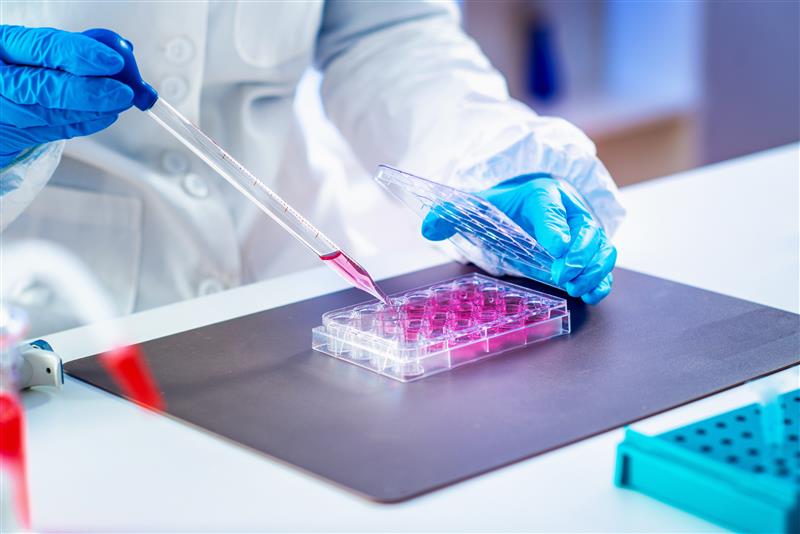
Over the past decade, governments, private industry, and academic institutions have increased their investments in bioscience research and development, yielding global benefits. However, these advancements have also increased the risk of deliberate misuse of biology to cause harm.

Biological Weapons Convention (BWC) States Parties have a critical window of opportunity to take concrete steps toward enhancing transparency and building confidence in compliance with the norm against biological weapons development.
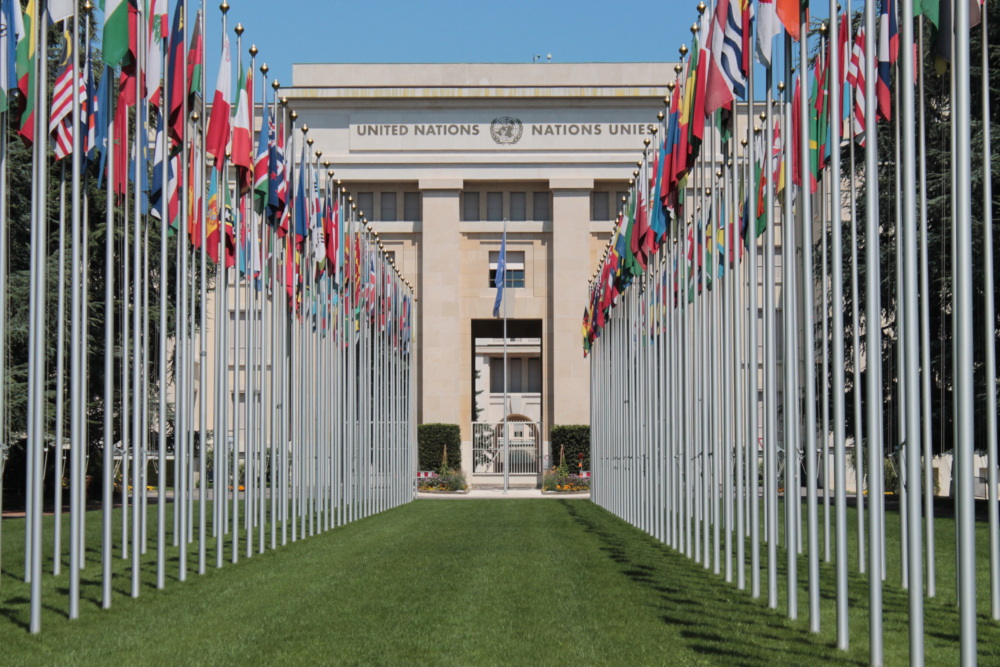
NTI’s Global Biological Policy and Programs team will host two side events at the Sixth Session of the Working Group on the Strengthening of the Biological Weapons Convention (BWC).

Past Event
Palais des Nations, Building E, Room XXII, Geneva, Switzerland
|
13:15 – 14:45 CEST

The Biological and Toxin Weapons Convention (BWC) entered into force 50 years ago, becoming the first multilateral disarmament treaty to ban the production of an entire category of weapons. As the world marks this anniversary, we reflect on the BWC’s importance and outline a path forward to strengthen its effectiveness.
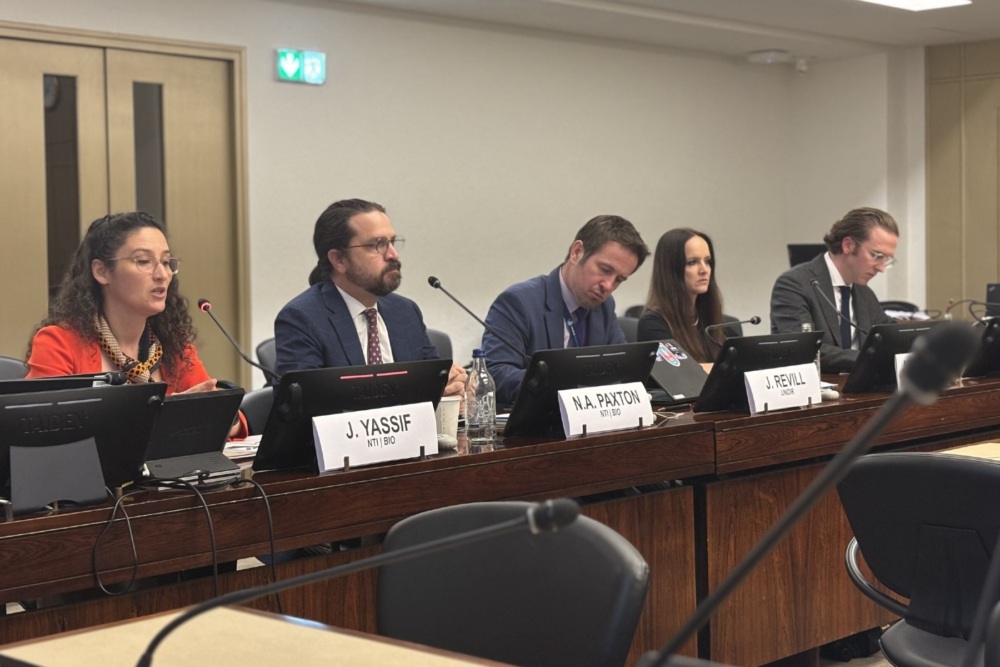
During the fifth session of the Biological Weapons Convention (BWC) Working Group meetings, NTI | bio presented solutions that could effectively reduce the risk of bioweapons development and use by states and other powerful actors.

This essay collection is designed to encourage the exploration and identification of potential solutions to disincentivize states from developing or using biological weapons. The goal of this collection is to bridge theory and practical policy-relevant approaches to develop new approaches to invigorate international efforts to reduce biological threats.
2025 marks 50 years of the Biological Weapons Convention (BWC). It faces significant challenges and there is an urgent need to modernize the BWC, ensuring it keeps pace with scientific developments and reinforces global biosecurity.

Past Event
Geneva, Switzerland
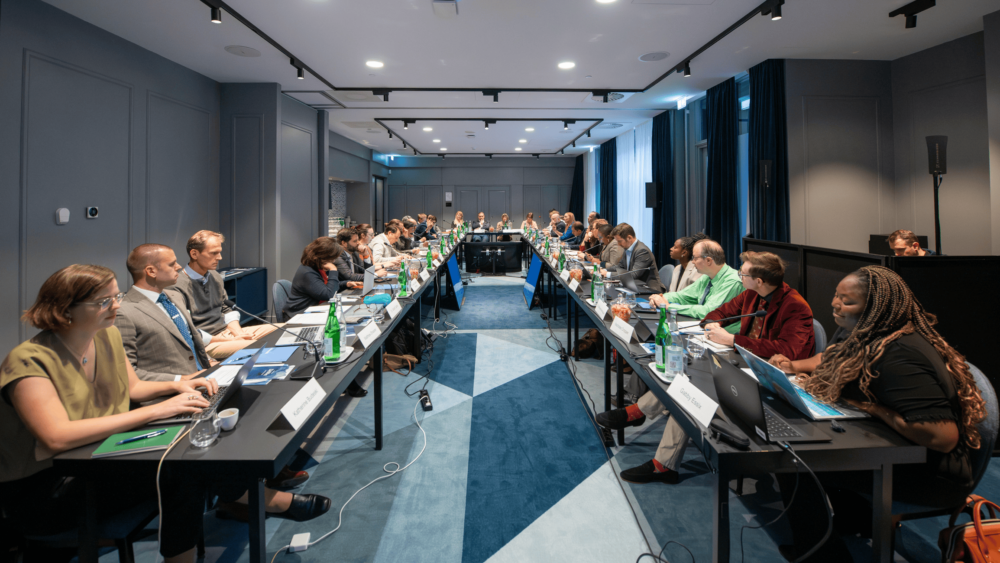
The international community remains unprepared for the potential misuse of modern bioscience and biotechnology tools to develop biological weapons. NTI | bio convened more than 30 experts for a workshop on enhancing transparency for bioscience research and development and bolstering confidence in compliance with the Biological Weapons Convention.

The new paper marks the first time that many details about the structure and function of the JAM are being made publicly available.

NTI | bio convened a workshop on “Disincentivizing State Bioweapons Development and Use” a week ahead of the Biological Weapons Convention Working Group meetings in Geneva, Switzerland.
NTI | bio convened two working groups of international biosecurity experts to discuss policy and institutional considerations, and technical operations for the Joint Assessment Mechanism (JAM) to identify the source of high-consequence biological outbreaks of unknown origin.
NTI is working with international partners to develop a new Joint Assessment Mechanism (JAM) within the office of the UN Secretary-General to rapidly identify outbreak origins. Without the ability to quickly determine the origin of an outbreak, researchers are hampered in their ability to rapidly develop vaccines and other medical countermeasures that can slow the pace of the outbreak, ultimately saving countless lives.

A new digital report and companion summary detail the findings and recommendations developed from a tabletop exercise held by NTI | bio and the Munich Security Conference.
The authors write about effective strategies for preventing biological events that could rise to the level of a global catastrophe by disincentivizing states from bioweapons development and use.
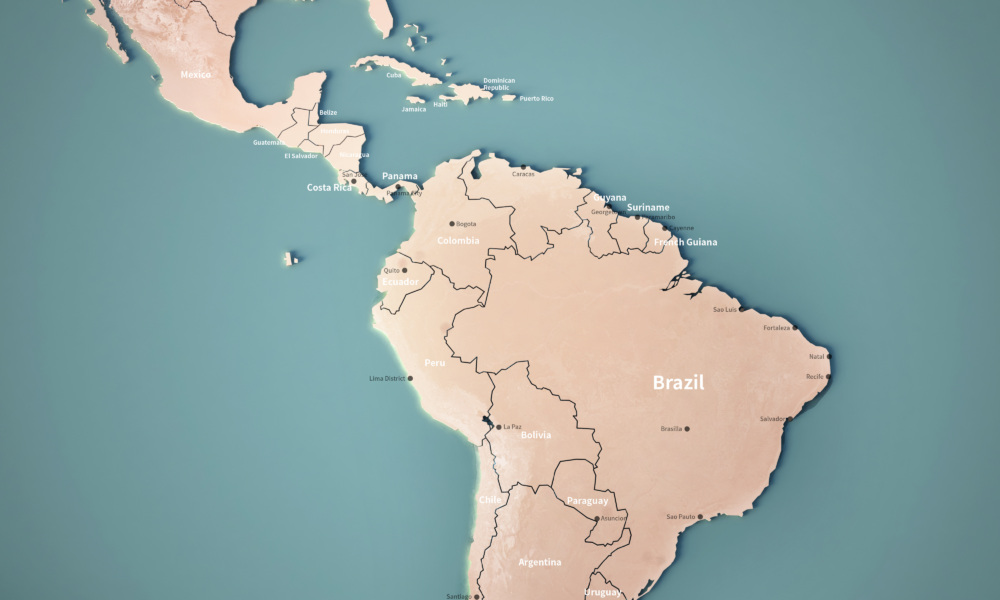
A new analysis published by the Consejo Argentino para las Relaciones Internacionales (CARI) highlights why the Latin America and Caribbean region would benefit from the establishment of a Joint Assessment Mechanism to discern source of high-consequence biological events of unknown origin.
In an op-ed for The Hill, NTI Senior Advisor Angela Kane and Vice President for Global Biological Policy and Programs Jaime Yassif acknowledge the importance of the ongoing investigation into the source of the COVID-19 pandemic.

NTI | bio experts contributed to the 9th Biological Weapons Convention Review Conference in Geneva.
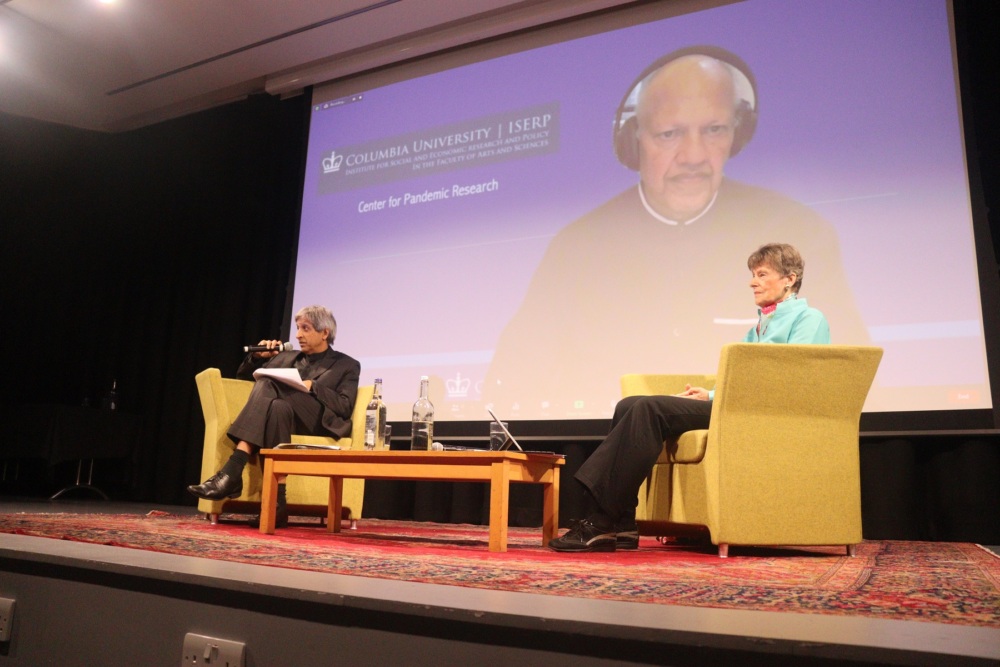
NTI Senior Advisor Angela Kane joined a prestigious lecture series to discuss steps we can take to prepare for the next biological event on the scale of COVID-19.
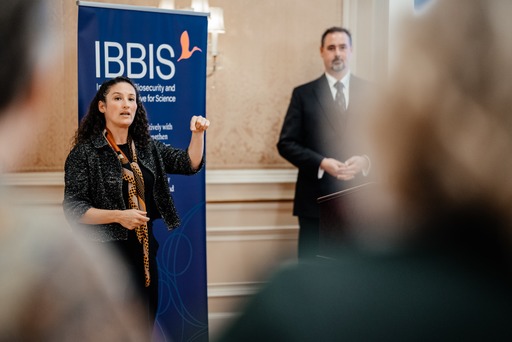
NTI experts briefed government representatives at a G7 working group meeting in Berlin.
NTI experts make the case for establishing a new mechanism to assess biological events of unknown origin.
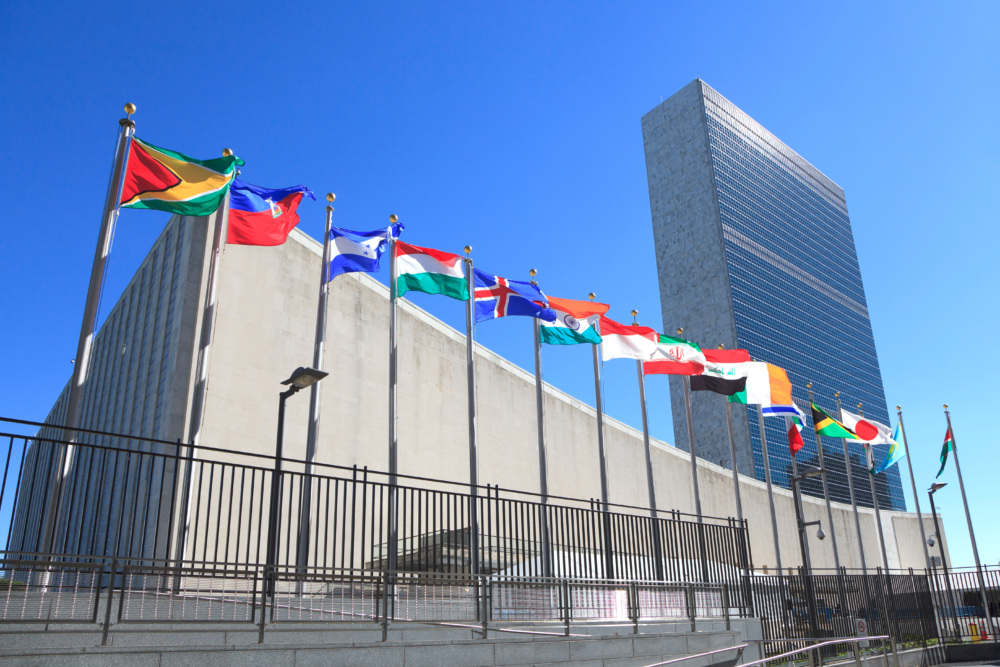
NTI will host three side events at the 10th NPT Review Conference.
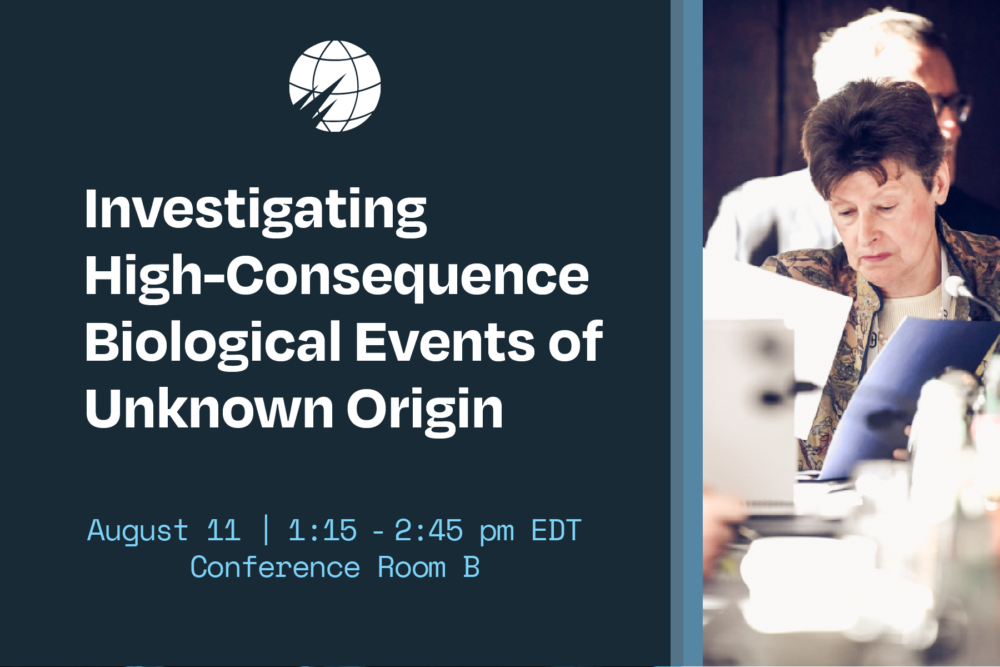
Past Event
Conference Room B, United Nations Secretariat Building
|
1:15-2:45 PM EDT
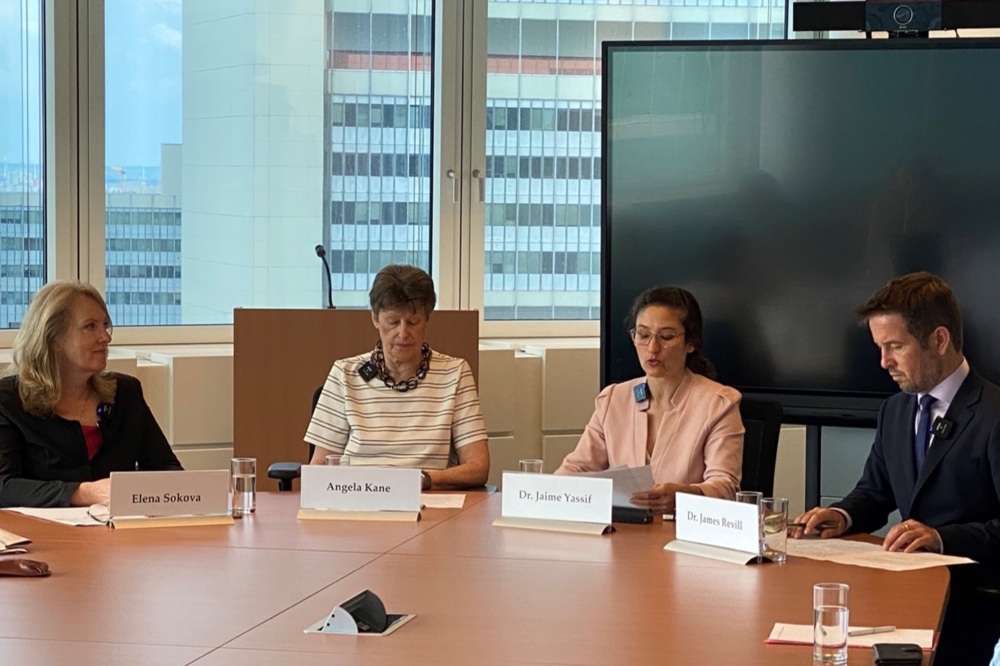
NTI and the Vienna Center for Disarmament and Nonproliferation (VCDNP) co-hosted a meeting on June 7, 2022 to explore the possibility of establishing a new “Joint Assessment Mechanism” to strengthen UN-system capabilities to investigate high-consequence biological events of unknown origin.

Past Event
Vienna Center for Disarmament and Non-Proliferation
|
7 am EDT / 1 pm CEST
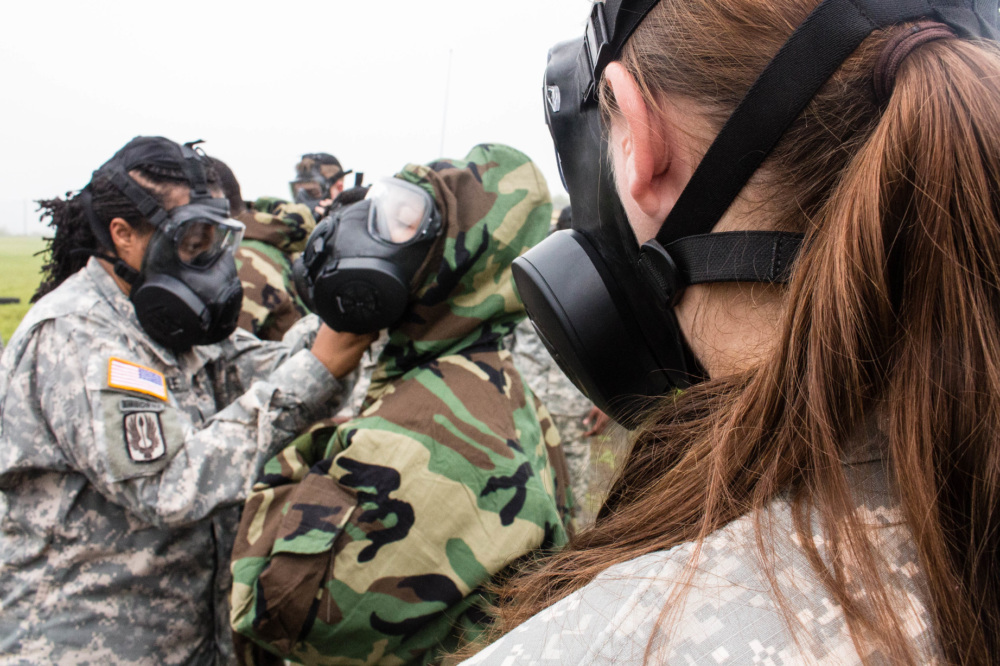
The current conflict in Ukraine has caused severe disruption to regional and global security, including growing concerns about the potential use of unconventional weapons.
Sign up for regular updates on innovative, real-world solutions to existential threats.