
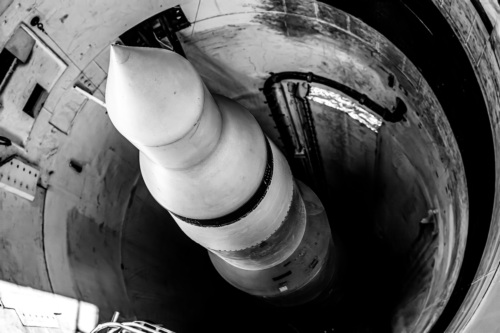
Advancing Nuclear Fail-Safe Reviews
Preventing the accidental or unauthorized use of nuclear weapons
The Global Nuclear Policy Program (GNPP) works to reduce these risks by advancing practical solutions. It strengthens communication and coordination to prevent miscalculation and nuclear use, reinforces global guardrails that discourage nuclear weapons use and spread, and promotes measures to reduce the risk of accidental or unauthorized nuclear use. Through dialogue and strategic partnerships with governments, experts, and leaders around the world, GNPP turns policy ideas into actionable outcomes.
GNPP projects offer solutions to:
Preventing the accidental or unauthorized use of nuclear weapons

Reduce security risks through practical solutions

Advancing Nuclear Risk Reduction in Space
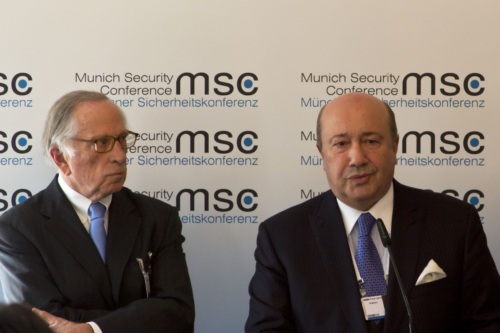
Building political will for a safer world

Reinforcing regional security and nonproliferation
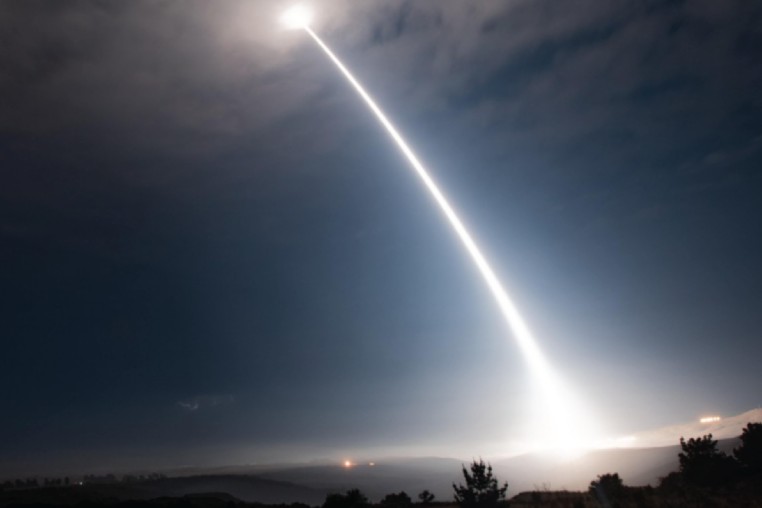
Today's food, water, energy, trade, financial, and governance systems are tightly linked and built for efficiency, not resilience. In such systems, even a "limited" nuclear exchange could trigger cascading failures such as soaring food prices, collapsing water and power systems, and economic shocks far beyond any blast zone—overwhelming governments at the very moment they are most needed.

Eight decades of managing nuclear risks offers potential lessons for governing artificial intelligence (AI). Understanding how well that experience applies to rapidly evolving technology, and where the parallels break down is essential to getting AI governance right.

New YouGov polling commissioned by NTI and ReThink Media finds that nearly 80 percent of registered voters, across party lines, say it is in the interest of U.S. national security to work with China to mitigate catastrophic threats associated with nuclear risks, AI development, and bioterrorism.

This paper outlines six practical options that non-nuclear weapon states could pursue to reduce nuclear risks amid heightened geopolitical tensions. The options were developed based on interviews with nuclear policy experts from around the world. They reflect priority areas where government investment could have the most near- to medium-term impact, as well as the tools and channels through which these efforts could be advanced.

The Nuclear Threat Initiative (NTI), Euro-Atlantic Security Leadership Group (EASLG), Asia-Pacific Leadership Network (APLN), and European Leadership Network (ELN) have worked since March 2020 to highlight the benefits of independent, internal “fail-safe” reviews in nuclear-armed states.
Sign up for regular updates on innovative, real-world solutions to existential threats.