The End of New START: From limits to looming risks
Unless the United States and Russia agree to maintain limits on their forces, the world will enter a period of potentially unconstrained nuclear build-ups.
The Nuclear Threat Initiative (NTI), Euro-Atlantic Security Leadership Group (EASLG), Asia-Pacific Leadership Network (APLN), and European Leadership Network (ELN) have worked since March 2020 to highlight the benefits of independent, internal “fail-safe” reviews in nuclear-armed states.
The co-conveners and participants of the Euro-Atlantic Security Leadership Group call for the re-establishment of basic principles relating to security and nuclear order.
There is a critical need for a global diplomatic approach to address growing cyber risks, including, where possible, through cooperation between the United States and Russia.
Deputy Vice President for NTI’s Nuclear Materials Security Program Eric Brewer writes that “although Russia’s war [in Ukraine] has created nuclear risks, the risk that it will unleash a wave of nuclear proliferation is lower than many believe.”
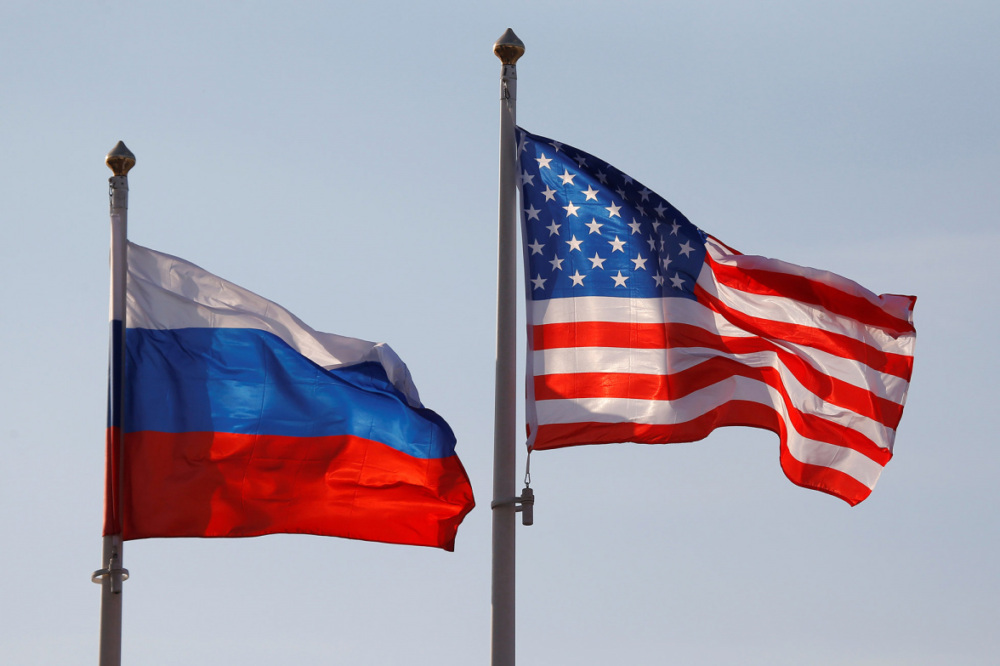
“The risk of an accident, miscalculation, or disastrous decision is especially ominous when the two countries with the largest nuclear weapon arsenals are on opposite sides.”
NTI Co-Chairs Ernest J. Moniz and Sam Nunn call on the United States to resume a position of global leadership to reduce the risks posed by nuclear weapons.
China's growing missile arsenal and ambiguity about its conventional vs. nuclear-armed missiles could trigger a Taiwan Missile Crisis w/ the US. (CNS)
Fact Sheet on “Twelve Steps Toward Greater Security in Ukraine and the Euro-Atlantic Region”
Sign up for regular updates on innovative, real-world solutions to existential threats.
{ location = 'https://www.nti.org/get-updates/' }, 300);">Get Updates