
Russia and Ukraine

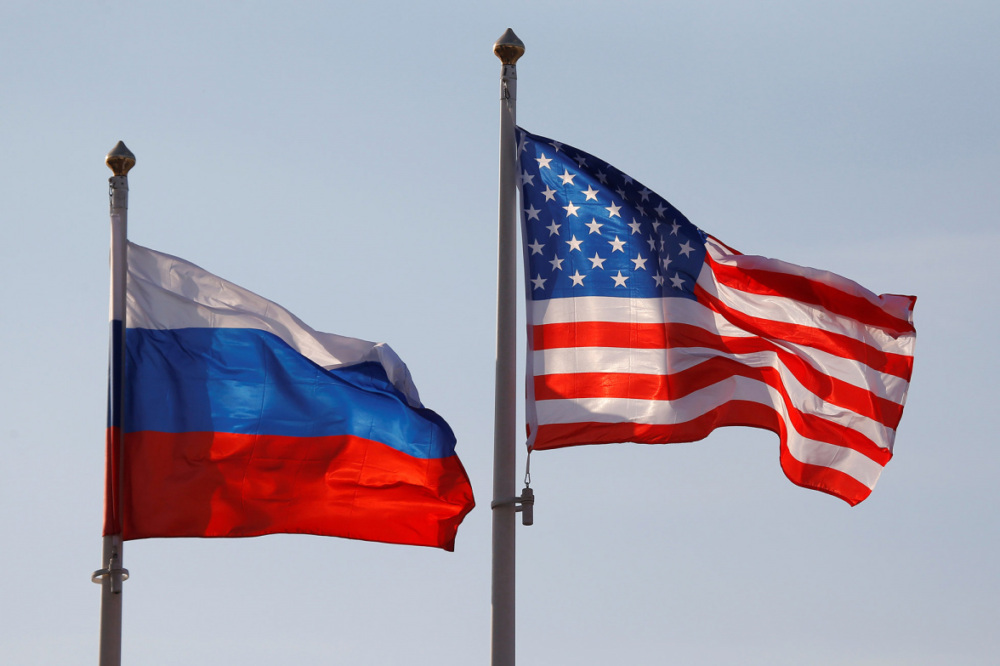
On February 24, 2022, Russian President Vladimir Putin ordered his military to invade Ukraine, a significant escalation in the Russo-Ukrainian War that has simmered since 2014. Since February, the Russian military has struggled to achieve Putin’s initial objective of capturing Ukraine’s capitol, Kiev, and overturning its government. As the invasion drags on, Putin has increasingly resorted to nuclear saber-rattling, in an apparent show of force against the NATO-aligned forces staunchly supporting Ukraine.

Reducing Nuclear Risks: Six Practical Options

Paper

Reducing Nuclear Risks: Six Practical Options

This paper outlines six practical options that non-nuclear weapon states could pursue to reduce nuclear risks amid heightened geopolitical tensions. The options were developed based on interviews with nuclear policy experts from around the world. They reflect priority areas where government investment could have the most near- to medium-term impact, as well as the tools and channels through which these efforts could be advanced.

More Analysis

Projects

U.S.-Russia Cyber-Nuclear Weapons Dialogue
Past Project

U.S.-Russia Cyber-Nuclear Weapons Dialogue

As cyber capabilities evolve and nuclear weapons systems become increasingly vulnerable to cyberattacks, the risk increases that nuclear weapons will be used by accident or miscalculation.

Global Health Security Index

Global Health Security Index

An assessment and benchmarking of health security and related capabilities across 195 countries.

News & Analysis

Reducing Nuclear Risks: Six Practical Options

Paper

Reducing Nuclear Risks: Six Practical Options

This paper outlines six practical options that non-nuclear weapon states could pursue to reduce nuclear risks amid heightened geopolitical tensions. The options were developed based on interviews with nuclear policy experts from around the world. They reflect priority areas where government investment could have the most near- to medium-term impact, as well as the tools and channels through which these efforts could be advanced.


NTI President and CEO Christine Wormuth on the Expiration of the New START Treaty

News

NTI President and CEO Christine Wormuth on the Expiration of the New START Treaty

New START, the last remaining arms control treaty capping U.S. and Russian nuclear arsenals, expires on February 5. This marks the beginning of a dangerous new era. For the first time in several decades, there will be no limits on nuclear weapons, less visibility into Russian nuclear weapons activities, and fewer tools to manage a crisis between the world’s two largest nuclear powers.


Statement from NTI President and CEO Christine E. Wormuth on President Trump’s reported comments to The New York Times on the upcoming expiration of New START
The NTI Logo

News

Statement from NTI President and CEO Christine E. Wormuth on President Trump’s reported comments to The New York Times on the upcoming expiration of New START

NTI encourages the United States and the Russian Federation to continue to abide by New START’s limits on intercontinental-range nuclear weapons past its scheduled expiration on February 5, 2026.


See All Analysis on Russia

Close

My Resources

Subscribe to NTI

Sign up for regular updates on innovative, real-world solutions to existential threats.

Get Updates