
Here we highlight the work of NTI and share knowledge, ideas, and viewpoints addressing the crosscutting challenges our world faces—addressing risks while supporting innovation—to make our world safer.
Christine E. Wormuth serves as the President and CEO of the Nuclear Threat Initiative. She joined NTI in November of 2025, having previously served U.S. Secretary of the Army during the Biden Administration and as Under Secretary of Defense for Policy in the Obama Administration. Christine spoke about her role, vision for NTI, and her past experiences.

Trump, Xi, and Putin’s nuclear moment — handle with care
Presidents Trump, Xi, and Putin are scheduled to hold a trilateral meeting on the sidelines of the APEC Summit. Progress on nuclear risk reduction requires sustained engagement and dialogue among diplomatic, political, and military experts from all parties on a range of shared security concerns. If Shenzhen produces a commitment by leaders and clear directives to initiate such dialogues that would be a significant outcome.
AI Is Moving Into Nuclear Weapons Systems. Fail-Safe Reviews Are Critical.
The integration of AI into nuclear systems is underway. The guardrails, safety, and security frameworks needed to understand and manage the consequences are not. A new generation of AI-informed nuclear fail-safe reviews is urgently needed in all countries with nuclear weapons.
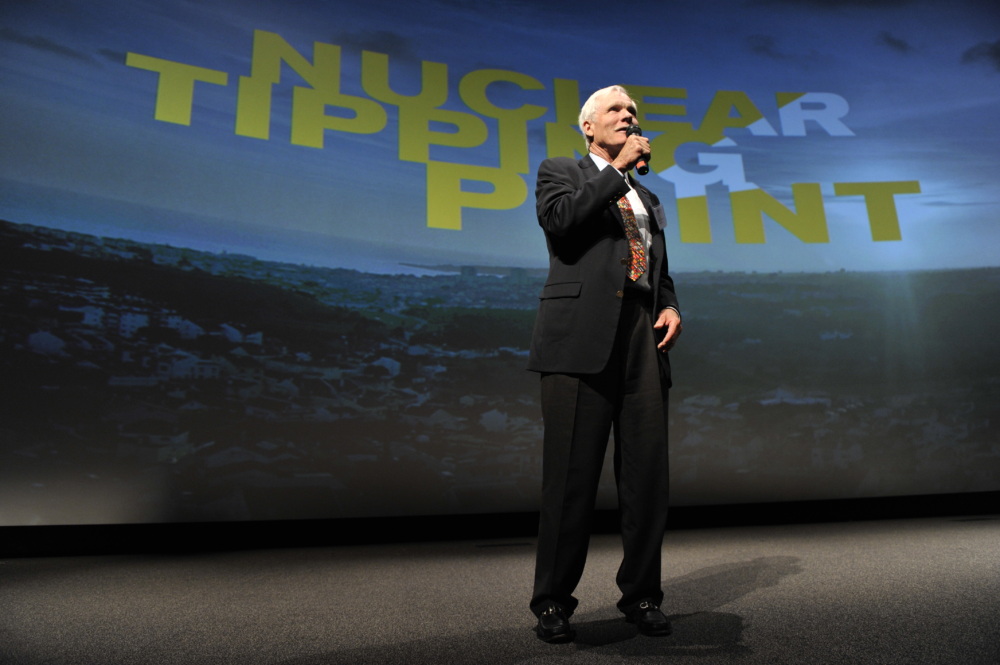
Twenty-six years ago, Ted Turner watched a 60 Minutes II report that shook him. The segment highlighted a sobering reality: more than a decade after the end of the Cold War, thousands of nuclear weapons remained deployed around the world. Turner didn’t just take note—he acted.
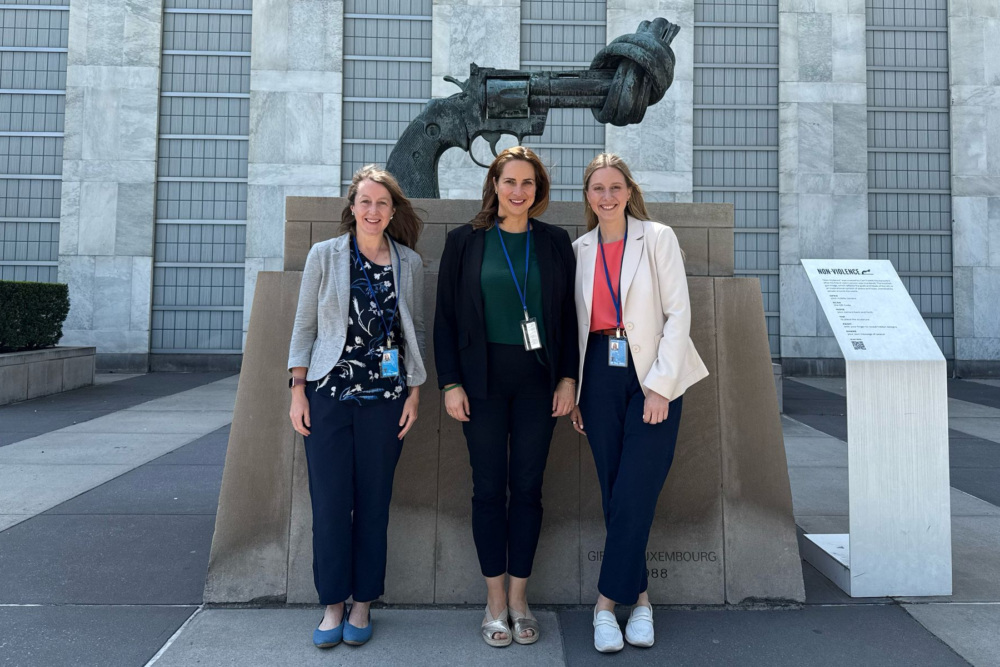
Isabelle Williams serves as a senior director at NTI. She leads and supports projects across the organization, including understanding nuclear effects and advancing a vision of a world free of nuclear weapons. Isabelle spoke with NTI intern Siri Beck-Friis about her work, background, and lazy hobbies.
New research is beginning to reveal how nuclear use could trigger widespread environmental damage, economic disruption, societal upheaval, and global instability. A modern, evidence-based understanding of these risks is essential for decision-makers and the public to grasp what is at stake if nuclear deterrence fails.