Humidity, Hard Truths, and the Future of Global Health Security
Multisectoral collaboration is a fundamental requirement for stronger health security.
Here we highlight the work of NTI and share knowledge, ideas, and viewpoints addressing the crosscutting challenges our world faces—addressing risks while supporting innovation—to make our world safer.
Multisectoral collaboration is a fundamental requirement for stronger health security.
Sign up for our newsletter to get the latest on nuclear and biological threats.
After four weeks of intense negotiations, it is entirely understandable to feel frustration, disappointment, and anger. What we cannot afford is for diplomats, policymakers, and publics to internalize that frustration as resignation.
At a time when the NPT is under growing strain, NWFZs stand out as one of areas where cooperation has not only endured but delivered tangible results. They demonstrate that large regions can sustain security without nuclear weapons, and that states are willing to translate commitments into practice.
Congress’s oversight of U.S. nuclear policy is at a critical juncture. When the U.S. Senate approved New START in 2010, it mandated several annual reports and certifications to ensure strong congressional oversight of Russian compliance with the treaty. These requirements expired along with the treaty, creating oversight gaps just as strategic competition heats up.
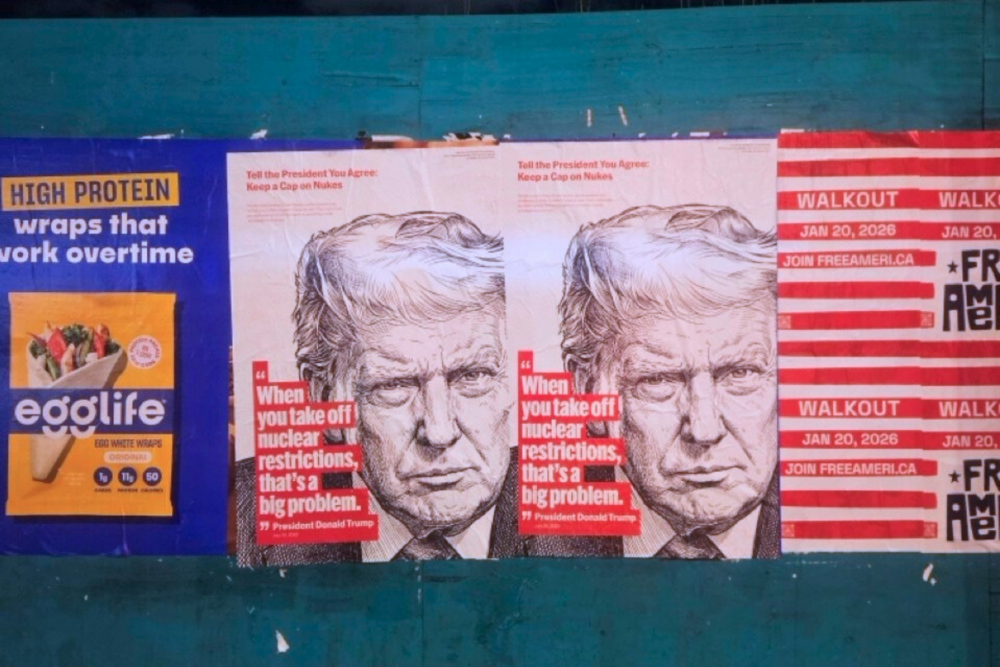
In a political climate that feels more divided than ever, it seems nearly impossible to agree on anything—except, as it turns out, arms control. A YouGov poll commissioned by NTI and ReThink Media found that 91 percent of Americans support capping U.S. and Russian nuclear arsenals, including 89 percent of Trump voters.
By revamping its strategy, the United States can help build a safer future and prevent a new wave of proliferation.
August 29 is the International Day Against Nuclear Tests—a time to recognize the devastating toll of nuclear weapons tests and to recommit to a future without them.
Kei Ito is the grandson of a Hiroshima atomic bomb survivor, and his interdisciplinary art explores the legacy of that trauma through themes of memory, identity, and the invisible impacts of nuclear war. NTI’s Grace Wankelman connected with Ito to discuss a powerful new piece of art he created for this year’s #CranesForOurFuture campaign.
The financial sector has long understood the reality that geopolitical dynamics influence markets. Conflicts and sanctions create market volatility, influence investor sentiment, and impact capital flows. Yet the sector remains dangerously blind to the greatest geopolitical threat of all: nuclear war.
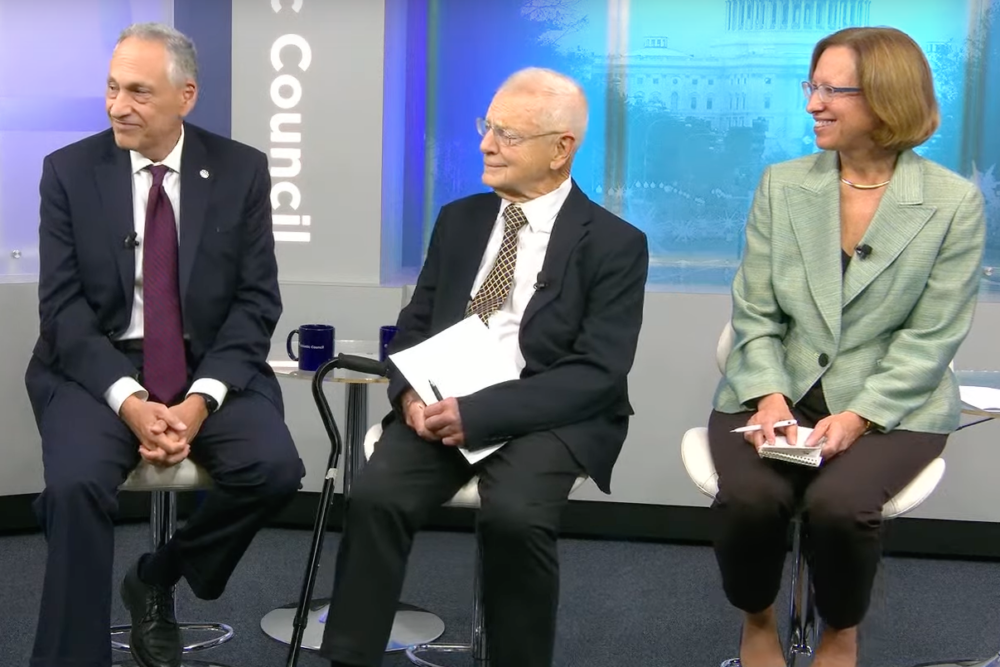
Lynn Rusten, vice president of NTI’s Global Nuclear Policy Program, shares her reaction to the 2023 Strategic Posture Report during a panel event at the Atlantic Council.
Eugenia Zoloto is a Ukrainian artist who specializes in paper cutting, collages, and illustrations, in addition to working with oil paints and mixed mediums. She lives in Kyiv with her husband and two children and is participating in the 2023 #CranesForOurFuture campaign by contributing a beautiful floral sculpture featuring an origami crane.
Senior Director, Communications
Director, Communications
Sign up for regular updates on innovative, real-world solutions to existential threats.
{ location = 'https://www.nti.org/get-updates/' }, 300);">Get Updates