Minimizing Weapons-Usable Nuclear Material: A Nuclear Security Success Story Still in Progress
One of the most significant achievements in reducing the risk of nuclear terrorism over the past two decades is something that rarely makes headlines.
Here we highlight the work of NTI and share knowledge, ideas, and viewpoints addressing the crosscutting challenges our world faces—addressing risks while supporting innovation—to make our world safer.
One of the most significant achievements in reducing the risk of nuclear terrorism over the past two decades is something that rarely makes headlines.
Sign up for our newsletter to get the latest on nuclear and biological threats.
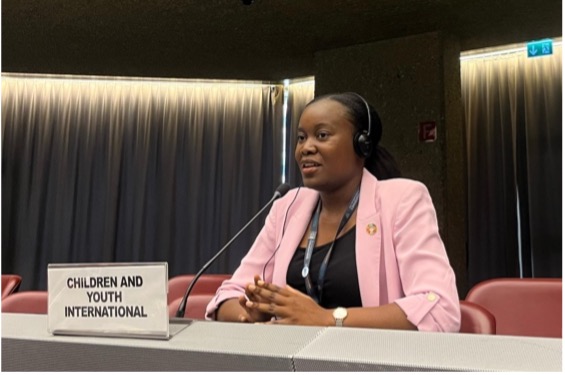
Delfina Hlashwayo’s journey into biosecurity and nonproliferation is a powerful example of how scientific passion, global collaboration, and youth leadership can converge to shape a safer world.
As the world marks the 50th anniversary of the Biological Weapons Convention (BWC), Next Gen contest participants have an opportunity to move the needle by introducing an updated way for professionals in the field to address the current and emerging threats that bioweapons pose.
The Biological and Toxin Weapons Convention (BWC) entered into force 50 years ago, becoming the first multilateral disarmament treaty to ban the production of an entire category of weapons. As the world marks this anniversary, we reflect on the BWC’s importance and outline a path forward to strengthen its effectiveness.
2025 marks 50 years of the Biological Weapons Convention (BWC). It faces significant challenges and there is an urgent need to modernize the BWC, ensuring it keeps pace with scientific developments and reinforces global biosecurity.
Senior Director, Communications
Director, Communications
Sign up for regular updates on innovative, real-world solutions to existential threats.
{ location = 'https://www.nti.org/get-updates/' }, 300);">Get Updates