

David Stiefel
Director, Global Biological Policy and Programs
As scientific and technological advances accelerate, the Biological Weapons Convention (BWC) faces a defining test. The decisions States Parties make in the coming months will shape whether the Convention can adapt to emerging biological risks or remain constrained by the institutional limitations that have long challenged it.
In August, States Parties met for the Ninth Session of the Working Group on the Strengthening of the Convention, the penultimate session in a four-year process leading to the Tenth BWC Review Conference in 2027. The Working Group is expected to report its recommendations to the review conference across seven areas:
With only five negotiating days left to complete the Working Group’s final report, Working Group Chair Ambassador Frederico S. Duque Estrada Meyer of Brazil repeatedly emphasized the limited time remaining and urged delegations to focus on practical compromises that could advance consensus on measures to strengthen the Convention.
As the discussions progressed, delegations increasingly shifted to smaller consultation groups to identify potential compromises on the most contentious provisions. That shift produced measurable progress, particularly on elements of the proposed science and technology mechanism, including reporting schedules, annual reporting to States Parties, and periodic compilations for future Review Conferences.
Progress, however, was not uniform.
Some issues remained deeply contested, particularly questions surrounding transfer controls. While some states prioritized facilitating access to biological materials, technology, and expertise for peaceful purposes, others emphasized preserving states’ sovereign authority to restrict transfers that could contribute to biological weapons risks.
By the end, delegations had made progress on several issues. However, questions remain about whether that progress was sufficient to complete the Working Group’s mandate on schedule.
Reaching agreement is only the first step. The BWC’s effectiveness has always depended not only on the text of the Convention, but also on national implementation, international cooperation, scientific responsibility, transparency, and the willingness of States Parties to act on their commitments.
The current negotiations provide an opportunity to strengthen each of these elements. Yet new mechanisms and processes will only matter if States Parties have the resources, expertise, and political support necessary to use them effectively.
While States Parties are responsible for legally implementing the Convention, they should not work in isolation.
Nongovernmental organizations, scientific and academic institutions, and other key stakeholders can provide expertise, independent analysis, practical tools, and sustained attention while helping translate diplomatic commitments into practical results and lasting impact. NGOs can help:
NTI engages in this process by fostering non-governmental dialogues, elevating perspectives from the Global South, supporting the important charge of the States Parties, and working with international partners to develop and promote practical, innovative policy and technical solutions that make biological weapons an unattractive option for states.
Looking ahead, the Working Group’s finalization of its recommendations at its December 7-11 session, decisions taken at the Meeting of States Parties on December 14-16, and preparations for the Tenth Review Conference in 2027 present important opportunities to consolidate progress and strengthen the BWC’s adaptability and effectiveness.
In a consensus-based system, progress depends on persistence, compromise, and a shared recognition that the risks the Convention exists to address matter more than any single negotiation.
The BWC’s future depends on whether the world can match the pace of biological innovation with equally ambitious efforts to prevent catastrophe. The Tenth Review Conference is an opportunity to do exactly that.
Sign up for our newsletter to get the latest on nuclear and biological threats.
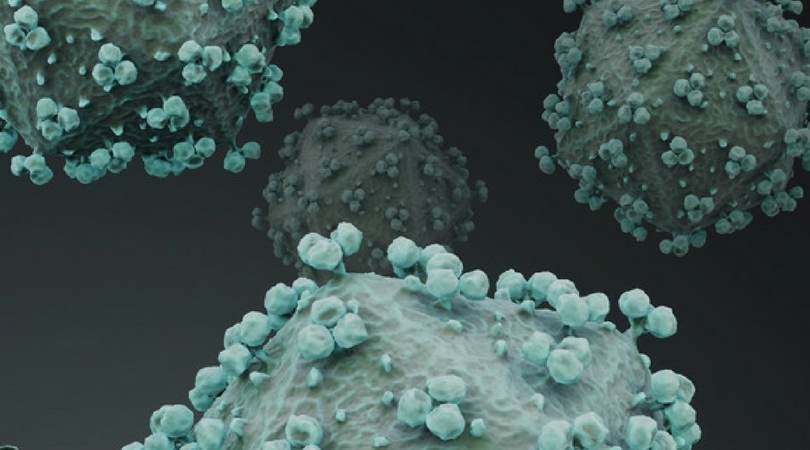
2025 marks 50 years of the Biological Weapons Convention (BWC). It faces significant challenges and there is an urgent need to modernize the BWC, ensuring it keeps pace with scientific developments and reinforces global biosecurity.
The Trump and Xi summit today may offer an opportunity to begin filling the leadership vacuum on AI advances, especially with respect to bioweapons. If the reports from AI companies are correct, it’s imperative that Presidents Trump and Xi start this work now.
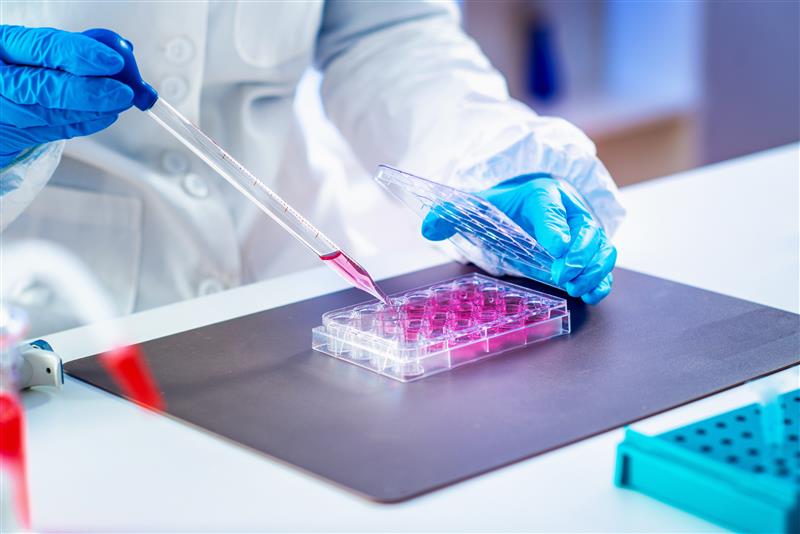
Over the past decade, governments, private industry, and academic institutions have increased their investments in bioscience research and development, yielding global benefits. However, these advancements have also increased the risk of deliberate misuse of biology to cause harm.
Sign up for regular updates on innovative, real-world solutions to existential threats.