Minimizing Weapons-Usable Nuclear Material: A Nuclear Security Success Story Still in Progress
One of the most significant achievements in reducing the risk of nuclear terrorism over the past two decades is something that rarely makes headlines.
Here we highlight the work of NTI and share knowledge, ideas, and viewpoints addressing the crosscutting challenges our world faces—addressing risks while supporting innovation—to make our world safer.
One of the most significant achievements in reducing the risk of nuclear terrorism over the past two decades is something that rarely makes headlines.
Sign up for our newsletter to get the latest on nuclear and biological threats.
2025 marks 50 years of the Biological Weapons Convention (BWC). It faces significant challenges and there is an urgent need to modernize the BWC, ensuring it keeps pace with scientific developments and reinforces global biosecurity.
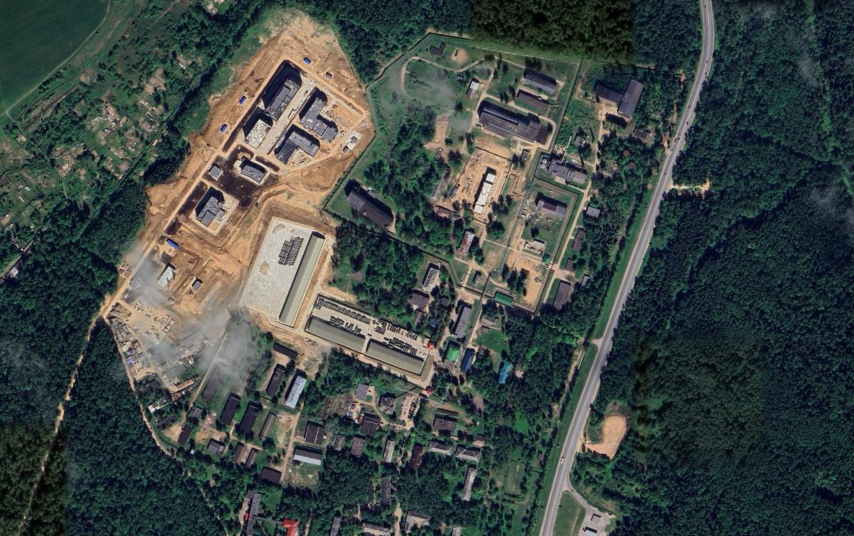
The Washington Post’s chilling report on major activity at a former bioweapons research site where the Soviets once weaponized biological agents — including ones that cause Smallpox, Ebola, and other hemorrhagic fevers — is another dangerous development potentially related to Russia’s war on Ukraine.
Examples from around the world of the Global Health Security Index in-use.
Coronavirus Underscores Need for Urgent Action to Reduce Global Catastrophic Biological Risks
Horsepox Research Accentuates Urgency for Global Action to Reduce Biological Risks
Senior Director, Communications
Director, Communications
Sign up for regular updates on innovative, real-world solutions to existential threats.
{ location = 'https://www.nti.org/get-updates/' }, 300);">Get Updates