Minimizing Weapons-Usable Nuclear Material: A Nuclear Security Success Story Still in Progress
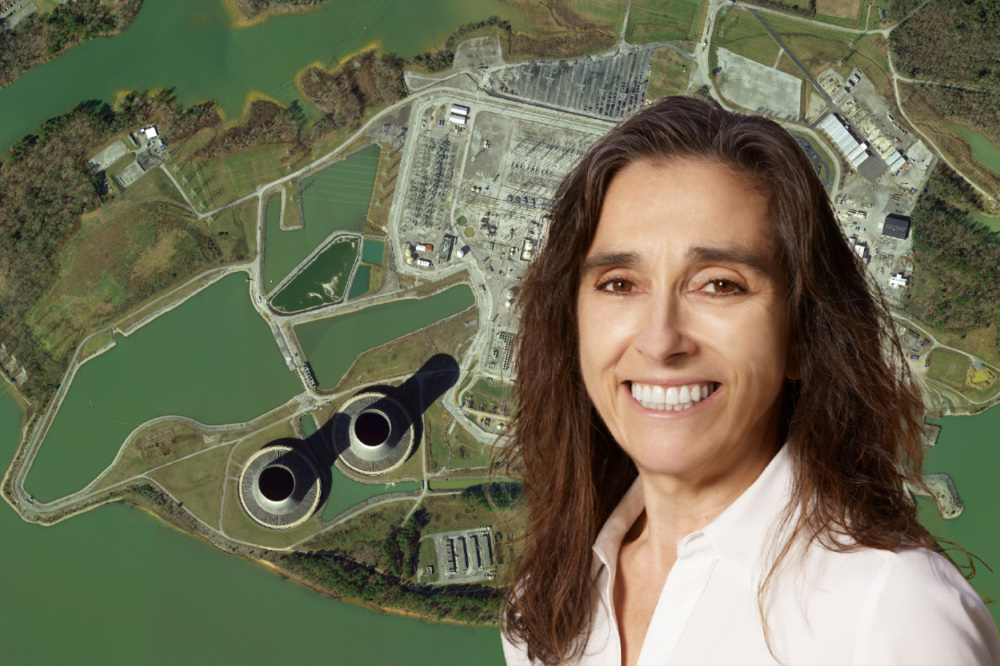
One of the most significant achievements in reducing the risk of nuclear terrorism over the past two decades is something that rarely makes headlines.
Here we highlight the work of NTI and share knowledge, ideas, and viewpoints addressing the crosscutting challenges our world faces—addressing risks while supporting innovation—to make our world safer.
One of the most significant achievements in reducing the risk of nuclear terrorism over the past two decades is something that rarely makes headlines.
Sign up for our newsletter to get the latest on nuclear and biological threats.
OpenAI's latest release, ChatGPT Agent, represents a significant leap forward in artificial intelligence capabilities—and with it comes a thoughtful, proactive approach to managing the biosecurity risks that advanced AI systems can pose.
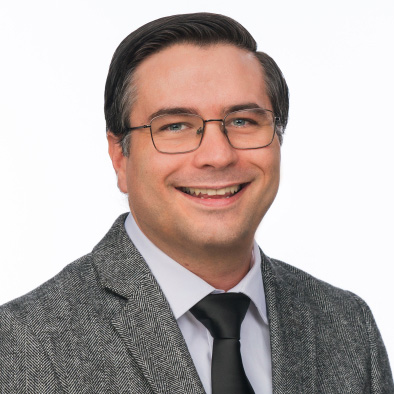
David Stiefel joined NTI in 2024 having previously held various roles at the White House and U.S. Department of Agriculture. He spoke with NTI’s Communications Intern Cristina Panaguta about his work in biosecurity and his many creative pursuits.
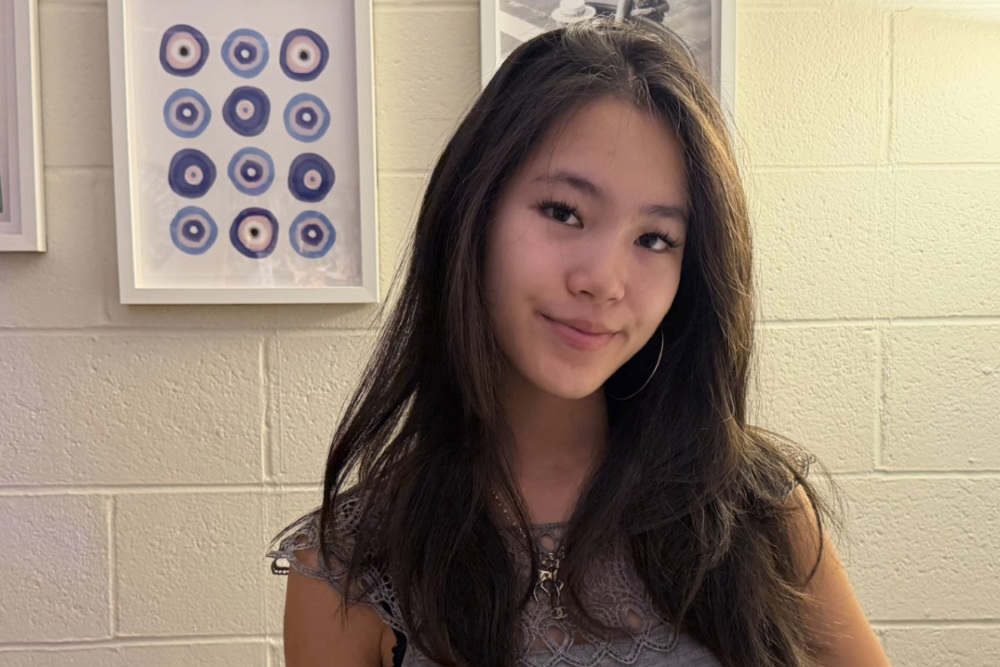
NTI’s “Young Voices” series highlights early-career professionals making their mark as part of the community of experts tackling today’s existential threats. Thokozani Nyasulu-Liwewe's remarkable career path has focused on improving health outcomes and strengthening health systems. Currently, Thokozani serves as the Clinical Lead for the District Health Office under the Ministry of Health in Lilongwe, the capital of Malawi. She is also a 2024 Game Changers Fellow with the Brown University Pandemic Center and Pandemic Action Network.
As the world marks the 50th anniversary of the Biological Weapons Convention (BWC), Next Gen contest participants have an opportunity to move the needle by introducing an updated way for professionals in the field to address the current and emerging threats that bioweapons pose.
Each day brings alarming headlines—H5N1, measles, tuberculosis—but the quieter underlying issues of public health security rarely break through the noise. On this World Health Day 2025, as U.S. domestic and global health policies undergo a realignment, the world must recommit to address both the urgent and the underlying health challenges that shape our lives.
The Biological and Toxin Weapons Convention (BWC) entered into force 50 years ago, becoming the first multilateral disarmament treaty to ban the production of an entire category of weapons. As the world marks this anniversary, we reflect on the BWC’s importance and outline a path forward to strengthen its effectiveness.
NTI focuses on developing solutions and delivering action. Doing so requires that we clearly communicate and connect with decision makers who are not necessarily experts in the field. This is how we do that.
Since the emergence of the term in the late 20th century, “biosecurity” has had a wide variety of meanings. While biosecurity is fundamental to the work of NTI | bio, we have not explicitly laid out our definition of biosecurity — until now.
A pandemic is not a once in a century event, and the international community must prepare now for the next one. It is essential the international community strike a balance between fostering and supporting beneficial AIxBio innovation while guarding against accidental or deliberate misuse of these tools.
Through evidence-based investments in capacity building and the establishment of biosecurity best practices for life science research, the private sector can play a critical role in strengthening biosecurity and advancing pandemic preparedness.
Senior Director, Communications
Director, Communications
Sign up for regular updates on innovative, real-world solutions to existential threats.
{ location = 'https://www.nti.org/get-updates/' }, 300);">Get Updates