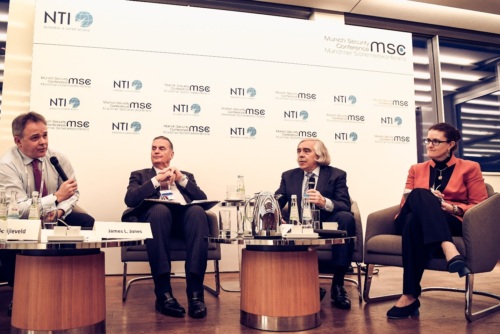
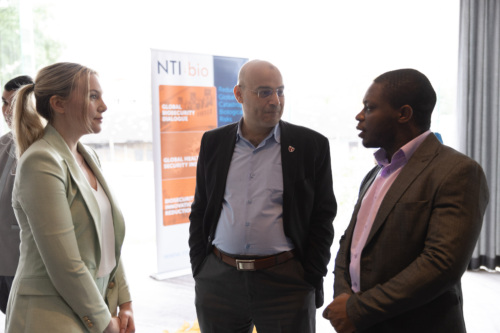
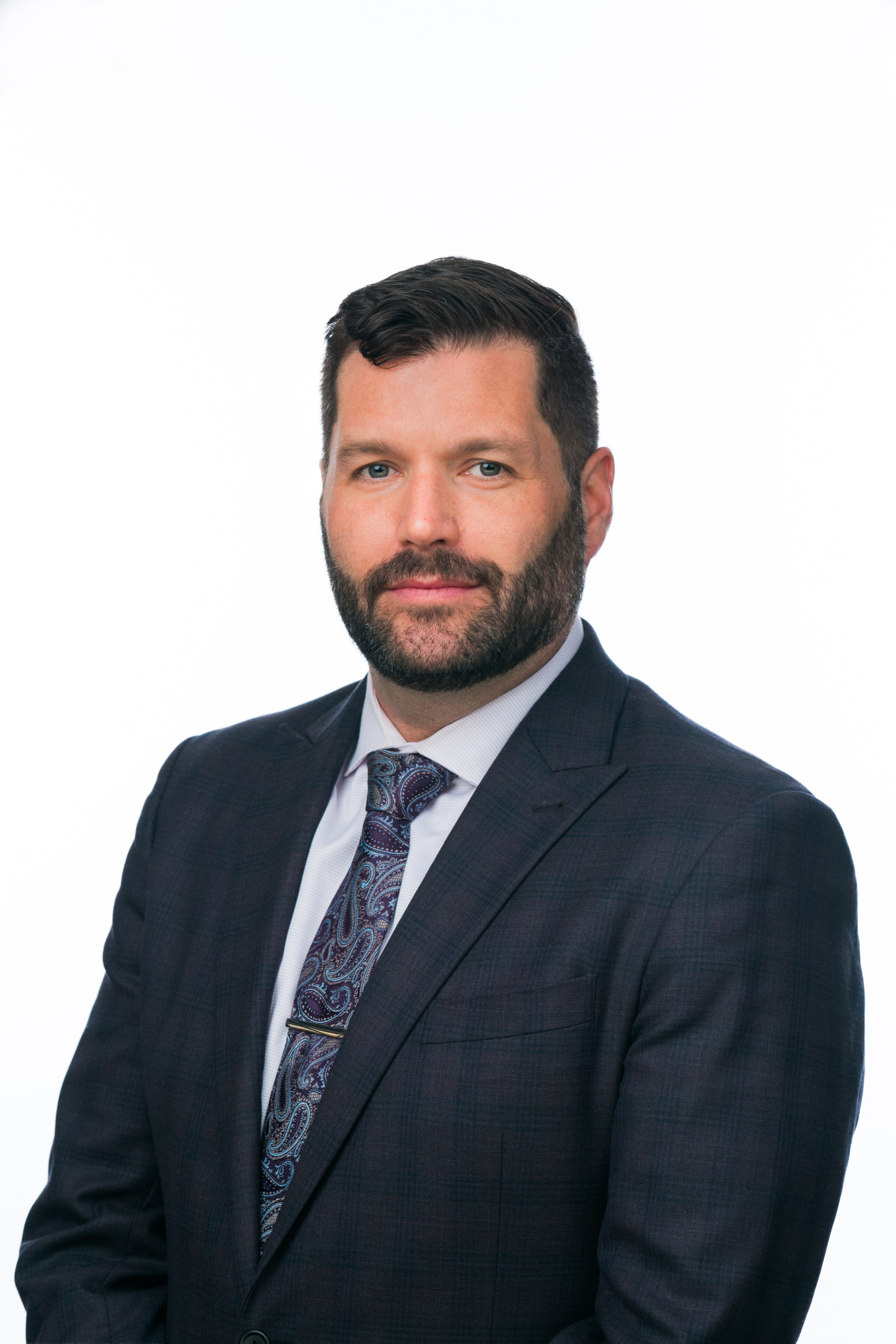
David Stiefel serves as a Director for NTI’s Global Biological Policy and Programs team (NTI | bio). In this role, he works to increase global action on biosecurity and to reduce the risks associated with the accidental or deliberate misuse of biology and biological materials.
Prior to joining NTI, Stiefel served in the White House as the Director for Biodefense, Deputy Senior Director for Global Health Security and Biodefense, and, most recently, as the Acting Senior Director for Global Health Security and Biodefense on the National Security Council (NSC). At the NSC, he focused on the U.S. Government’s strategic approach to countering biological weapons, enhancing pandemic preparedness, and achieving global health security. Stiefel led President Biden’s biopreparedness review, which culminated in the president’s signing and release of the 2022 National Biodefense Strategy and Implementation Plan. David also played a key role in the drafting, President Biden’s signing, and release of the administration’s plan on Strengthening the Security and Resilience of U.S. Food and Agriculture.
Additionally, while at the White House, Stiefel focused on efforts to improve the U.S. Government’s capabilities to respond faster, more efficiently, more effectively, and more equitably to biological incidents. He played a critical role in initiating and revitalizing key bilateral relationships focused on countering biological threats. While serving in leadership roles in the Global Health Security and Biodefense Directorate of the NSC, he oversaw key government policy efforts related to biosafety, biosecurity, global health security, biological incident response, biological weapons nonproliferation, mitigation of biotechnology risk, and international pandemic preparedness and health negotiations.
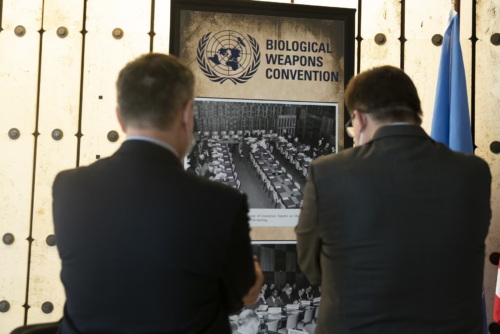
Stiefel previously worked as an environmental consultant, a contractor for the Defense Threat Reduction Agency, and a policy analyst at the United States Department of Agriculture (USDA), first at the Natural Resources Conservation Service and subsequently for USDA’s Office of Homeland Security. As a national security policy analyst at USDA, his portfolio focused on defending against agroterrorism, biodefense policy and coordination, critical infrastructure security and resilience, global health security, and the Biological Weapons Convention. Stiefel also was a Presidential Management Fellow and toured full time professionally in a band, charting on Billboard.
He is an adjunct faculty at Georgetown University within Biomedical Graduate Education and an adjunct faculty at the College of William and Mary within the Government Department.
Stiefel has a bachelor’s degree in Geology & Environmental Sciences, Media Arts & Design and Jazz Studies from James Madison University and a master’s degree from Georgetown University in Biohazardous Threat Agents and Emerging Infections Disease. He is currently a PhD Candidate at the University of Virginia in the doctoral program for Foreign Affairs. His PhD dissertation is focused on the taboo against the utilization of biological weapons.