

Isabelle Williams
Senior Director
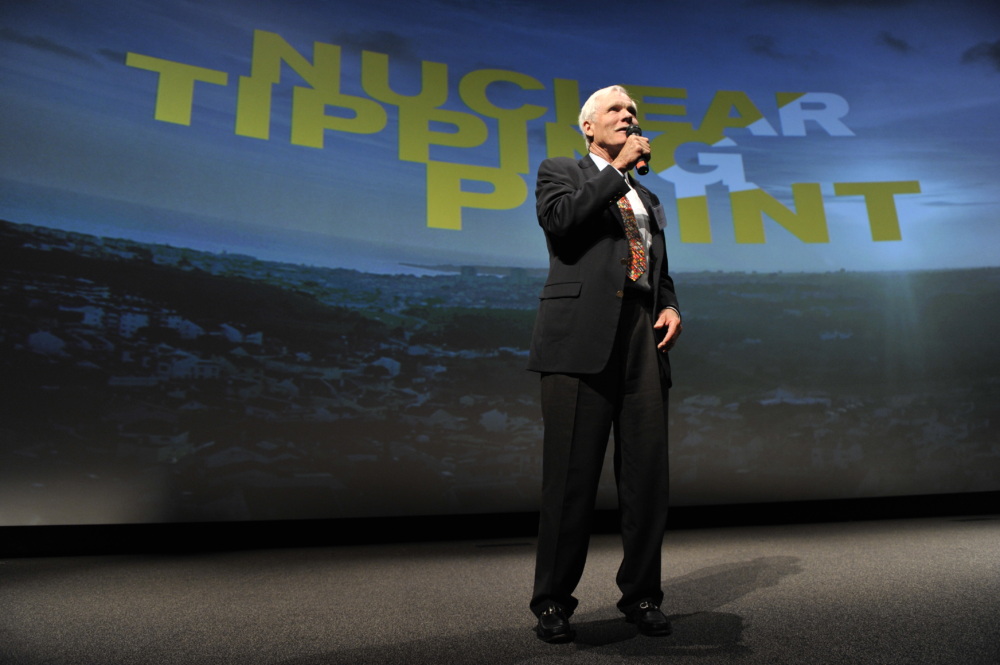
Twenty-six years ago, Ted Turner watched a 60 Minutes II report that shook him. The segment highlighted a sobering reality: more than a decade after the end of the Cold War, thousands of nuclear weapons remained deployed around the world.
Turner didn’t just take note—he acted.
Rather than writing a letter or giving a speech, he picked up the phone and called former Senator Sam Nunn and Charlie Curtis, a former top official at the U.S. Department of Energy. That call led to the creation of the Nuclear Threat Initiative (NTI), which opened its doors in 2001. Co-founded by Turner and Nunn, the organization was built around a mission to reduce the risks associated with nuclear, biological, and chemical weapons and ultimately build a world without them.
Turner’s impulse to see a problem and act became the foundation of NTI’s work and symbolic of his legacy. It is why we feel his loss so acutely and are deeply grateful for his leadership.
When Turner and Nunn joined forces, they brought different perspectives to their shared concern. Turner was an idealist, driven by the view that a world free of nuclear weapons was not only possible, but necessary—”if fewer is better, then zero is best.” Nunn, shaped by decades in the U.S. Senate, was a pragmatist with a clear understanding of what governments could realistically achieve.
What made their partnership so powerful was their ability to take action despite these differences. They did not wait for perfect alignment. Turner described how they “didn’t need to develop consensus on weapons elimination to develop a common purpose to make step-by-step progress on diminishing the threat of nuclear weapons.” This common purpose—vision and pragmatism—made NTI possible and continues to define our work today.
Over the past 25 years, NTI catalyzed creation of a U.S. government program that has invested $3+ billion in removing or eliminating more than 200 bombs’ worth of dangerous HEU and plutonium from dozens of countries, developed authoritative benchmarking tools for nuclear and biosecurity, incubated and launched initiatives around the world focused on addressing specific tangible challenges, and convened practical, solution-oriented dialogues among critical players. These achievements are all possible because of Turner and Nunn’s common purpose.
Turner believed that threats to humanity can only be addressed collectively. His philanthropy reflected this belief. In 1997, he pledged $1 billion to support the United Nations. This was the largest individual philanthropic donation ever made at that time. Turner understood that global challenges, including poverty, climate change, and reducing nuclear and biological threats, require global solutions and cooperation.
Turner’s gift created the UN Foundation, and he built several more, including the Turner Foundation and the Captain Planet Foundation—all driven by the idea that collective action is key. The same was true for NTI. “The bottom line,” he said, “is that we’ve got to start acting globally like civilized, educated, decent, kind-hearted human beings, and we have to trust each other.”
Reading through reflections and celebrations of his life, one theme repeats itself across Turner’s philanthropy. He believed that all people have a duty to do good and to create change even when the odds are uncertain. He wanted to “see humanity make it.” The size or complexity of a problem was not a factor. “Just because something is hard is not a reason to sit on our hands and do nothing,” he said.
This approach has shaped lives and industries alike, from the way we consume news to crucial conservation efforts. Turner played a major role in restoring the American bison and stewarding vast areas of land; at one point, he owned 2 million acres—more than almost any other individual in the United States. Turner showed a willingness to do the hard things and delivered impact across various fields.
That perspective feels especially important now.
At a time when nuclear and biological risks are increasing and becoming more complex —and are often overlooked— there is a tendency to assume the problem is too intractable to solve. This is exactly why Turner’s vision is more urgent than ever. His example reminds us that progress does not need to wait for perfect conditions. We must strive for change and continue to act. These risks belong to all of us—and so does the responsibility to address them.
Sign up for our newsletter to get the latest on nuclear and biological threats.

The integration of AI into nuclear systems is underway. The guardrails, safety, and security frameworks needed to understand and manage the consequences are not. A new generation of AI-informed nuclear fail-safe reviews is urgently needed in all countries with nuclear weapons.
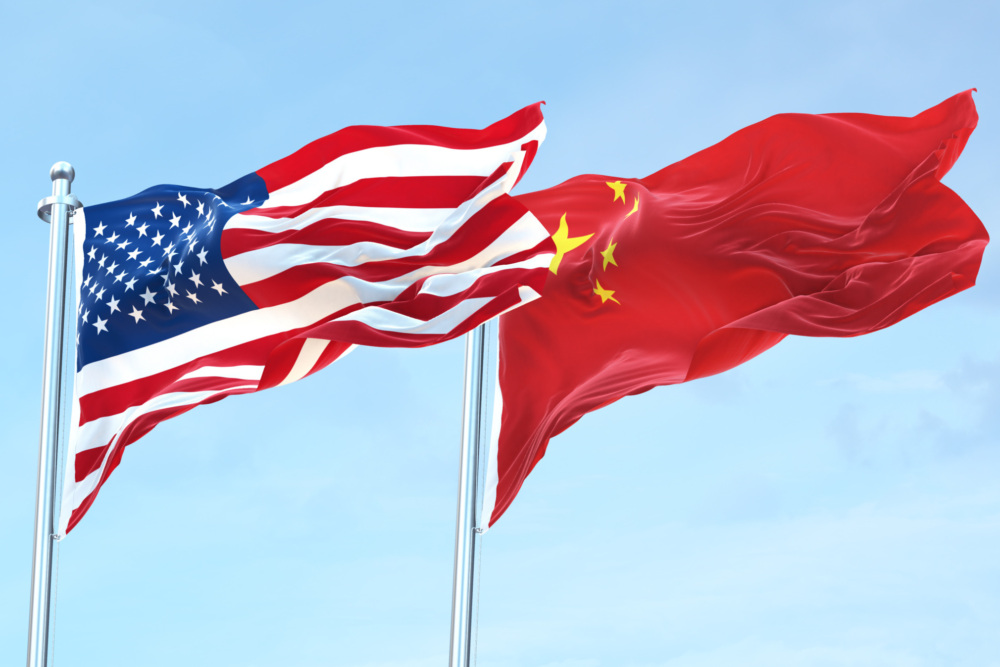
Beijing and Washington must be on the same page to avoid nuclear material from falling into the wrong hands. Continued Track II engagement on nuclear security is essential for preserving cooperation within a critical area of shared interest, even when diplomacy between political officials is at an impasse.

Younger generations understand nuclear weapons through digital screens rather than personal experience. The future of nuclear risk reduction hinges on the ability to communicate with and engage young people directly; to educate and mobilize them around nuclear issues.
Sign up for regular updates on innovative, real-world solutions to existential threats.