Minimizing Weapons-Usable Nuclear Material: A Nuclear Security Success Story Still in Progress
One of the most significant achievements in reducing the risk of nuclear terrorism over the past two decades is something that rarely makes headlines.
Here we highlight the work of NTI and share knowledge, ideas, and viewpoints addressing the crosscutting challenges our world faces—addressing risks while supporting innovation—to make our world safer.
One of the most significant achievements in reducing the risk of nuclear terrorism over the past two decades is something that rarely makes headlines.
Sign up for our newsletter to get the latest on nuclear and biological threats.
The AI-biology convergence offers enormous benefits but also brings about risks as we’ve never seen before. Without action from multiple disciplines, the race for AI development and dominance could become a race to the bottom when it comes to safety and security.
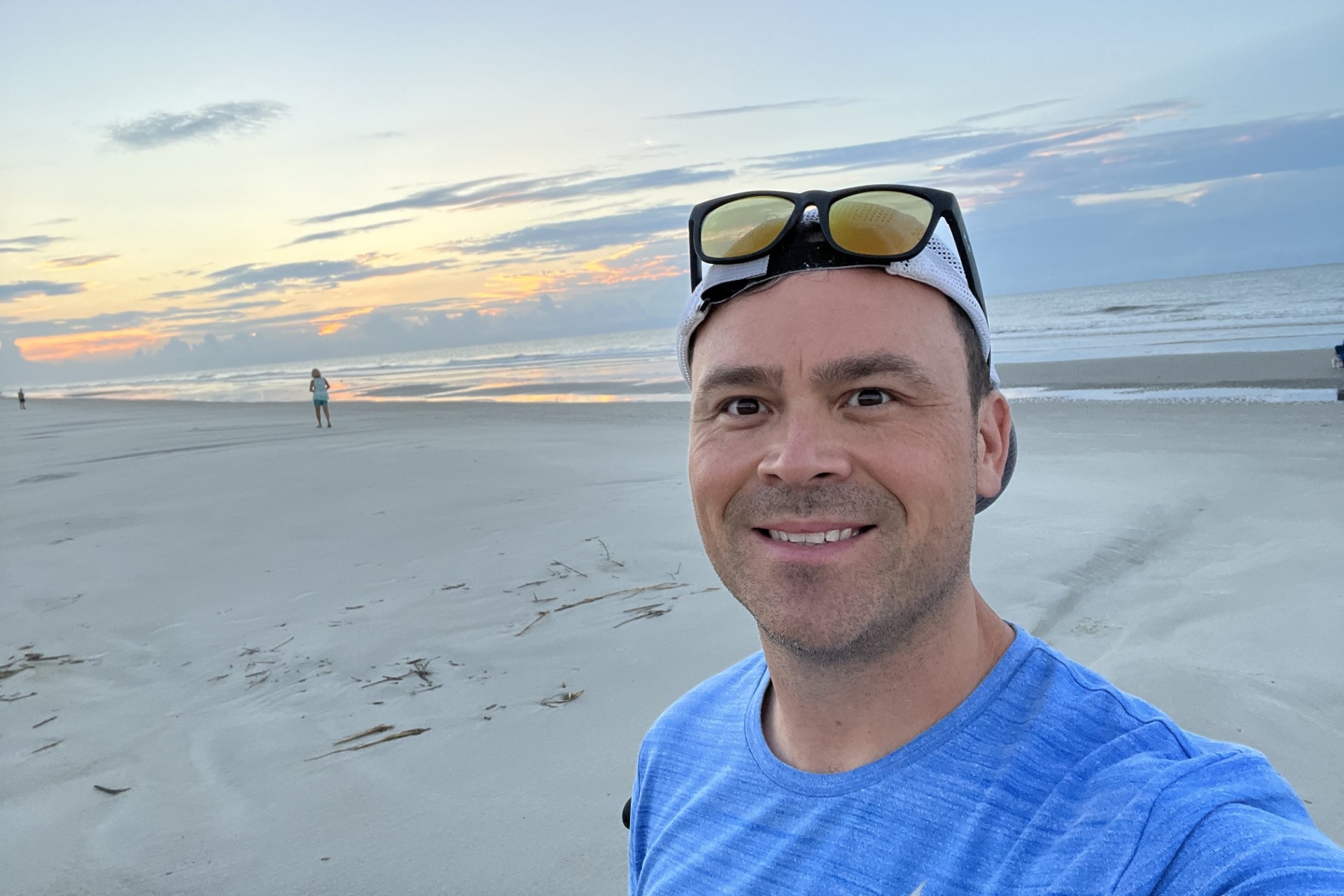
Hugh Sullivan is NTI’s vice president for development. He has centered his career on promoting mutually beneficial international understanding through education, partnerships, and scientific inquiry and awareness. Hugh spoke with NTI intern Anusha Trivedi about his work in fundraising, past experiences, and hobbies.
December 2 is Giving Tuesday, the global day of giving—and we have exciting news: Every gift will be matched 1:1 by an NTI Board member! That means your impact will be doubled to help build a safer world.
Jezabel Gigena is an emerging biosecurity educator and policy-minded researcher who leads the iGEM Community Mastering Biosafety and Biosecurity project, creating accessible training on dual-use risks and responsible biotechnology. Jezabel is currently pursuing a PhD in biomedical sciences from the University of Ulster, Northern Ireland, and enjoys working with community-driven initiatives to strengthen global biosecurity awareness.
Isabelle Williams serves as a senior director at NTI. She leads and supports projects across the organization, including understanding nuclear effects and advancing a vision of a world free of nuclear weapons. Isabelle spoke with NTI intern Siri Beck-Friis about her work, background, and lazy hobbies.
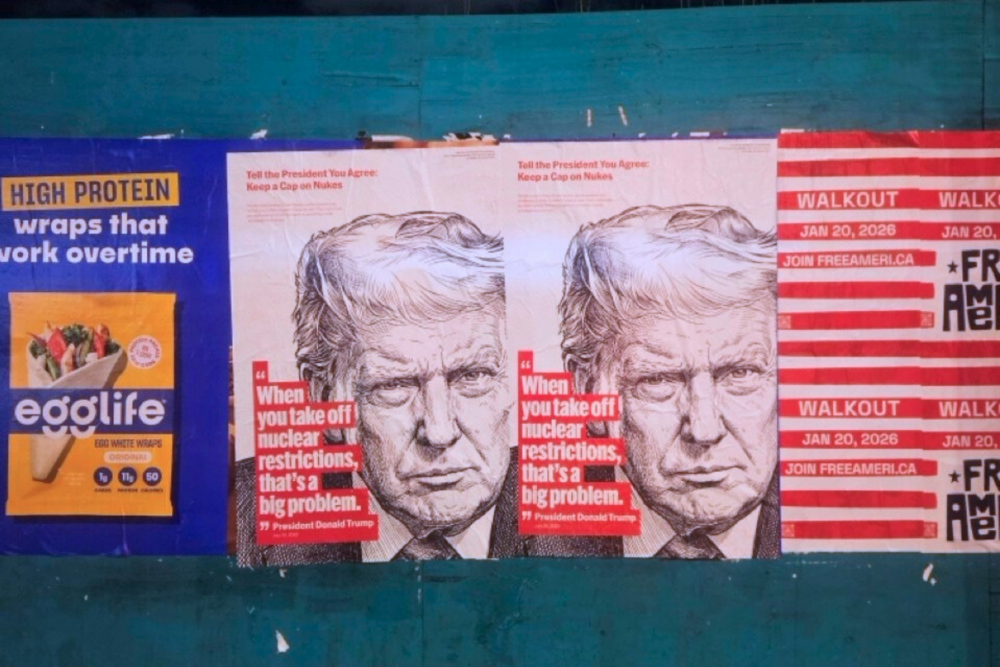
The U.S. ended explosive nuclear testing in the 1990s, but that does not mean we are unprepared. In its place, the U.S. uses a science-based program that checks the health of the stockpile continuously and reports out every year to the President.
One of the most consequential decisions countries will face is whether to take a costly detour into nuclear fuel reprocessing, a technology that has failed every promise it has made.
To younger generations, nuclear threats often feel like a thing of the past. Engaging Gen Z requires new tools, like art and film, to connect with people in ways they understand and humanize the issues.
By revamping its strategy, the United States can help build a safer future and prevent a new wave of proliferation.
Unlike past technological disruptions to global security which were driven by governments, market forces and business dominate today’s global innovation space. This includes working not only with thought leaders, but the doers that affect change. The latest FutureSafe Innovation Forum welcomed Dr. Kimberly Budil, Director of Lawrence Livermore National Laboratory, to discuss the future of national security science.
Senior Director, Communications
Director, Communications
Sign up for regular updates on innovative, real-world solutions to existential threats.
{ location = 'https://www.nti.org/get-updates/' }, 300);">Get Updates