Humidity, Hard Truths, and the Future of Global Health Security
Multisectoral collaboration is a fundamental requirement for stronger health security.
Here we highlight the work of NTI and share knowledge, ideas, and viewpoints addressing the crosscutting challenges our world faces—addressing risks while supporting innovation—to make our world safer.
Multisectoral collaboration is a fundamental requirement for stronger health security.
Sign up for our newsletter to get the latest on nuclear and biological threats.
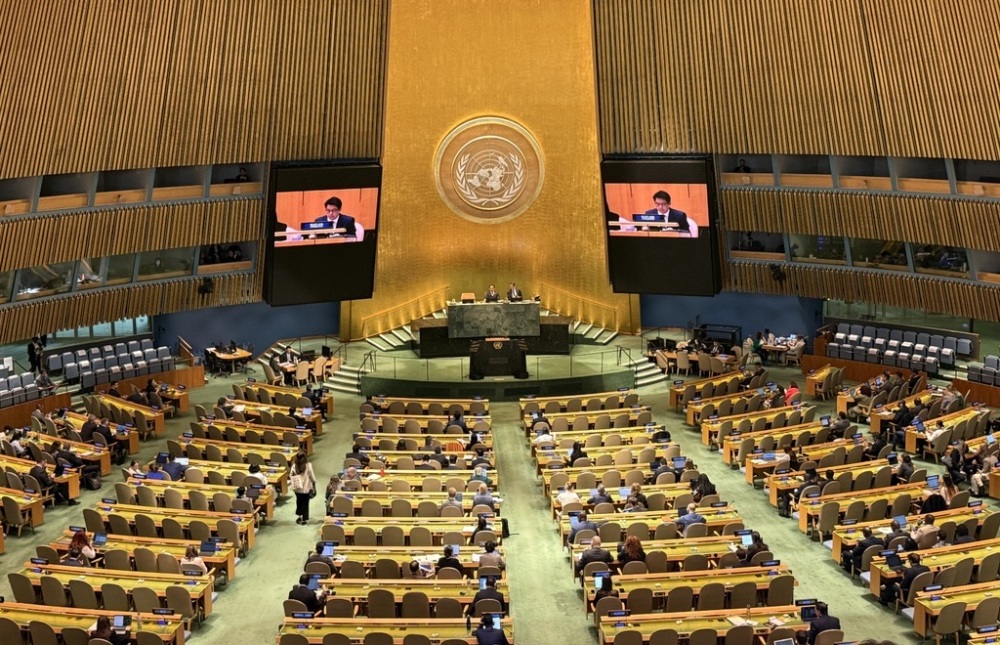
After four weeks of intense negotiations, it is entirely understandable to feel frustration, disappointment, and anger. What we cannot afford is for diplomats, policymakers, and publics to internalize that frustration as resignation.
Twenty-six years ago, Ted Turner watched a 60 Minutes II report that shook him. The segment highlighted a sobering reality: more than a decade after the end of the Cold War, thousands of nuclear weapons remained deployed around the world. Turner didn’t just take note—he acted.
While talks between the United States and Iran have not yet yielded a new deal to pit against the JCPOA, it is still worth thinking through how we should do so.
At a time when the NPT is under growing strain, NWFZs stand out as one of areas where cooperation has not only endured but delivered tangible results. They demonstrate that large regions can sustain security without nuclear weapons, and that states are willing to translate commitments into practice.
In recent months, the Trump administration appears to have been flirting with a return to underground nuclear weapons testing, a decision that could have serious environmental and security implications.
Global institutions remain essential, but, increasingly, some of the most practical and forward-leaning work is happening closer to home at the regional level.
Convincing Iran to forgo nuclear weapons development may be the most difficult challenge of all.
Elise Rowan serves as the deputy vice president of NTI’s Communications team. She co-leads the organization’s Critical Mass project, which harnesses the power of culture and campaigns to change the narrative on nuclear weapons and shift political incentives toward policies that reduce nuclear risks.
Congress’s oversight of U.S. nuclear policy is at a critical juncture. When the U.S. Senate approved New START in 2010, it mandated several annual reports and certifications to ensure strong congressional oversight of Russian compliance with the treaty. These requirements expired along with the treaty, creating oversight gaps just as strategic competition heats up.
Strengthening nuclear fail-safe measures and applying and adapting principles governing the use of outer space for peaceful purposes are essential to preventing nuclear use and maintaining strategic stability.
Senior Director, Communications
Director, Communications
Sign up for regular updates on innovative, real-world solutions to existential threats.
{ location = 'https://www.nti.org/get-updates/' }, 300);">Get Updates