Minimizing Weapons-Usable Nuclear Material: A Nuclear Security Success Story Still in Progress
One of the most significant achievements in reducing the risk of nuclear terrorism over the past two decades is something that rarely makes headlines.
Here we highlight the work of NTI and share knowledge, ideas, and viewpoints addressing the crosscutting challenges our world faces—addressing risks while supporting innovation—to make our world safer.
One of the most significant achievements in reducing the risk of nuclear terrorism over the past two decades is something that rarely makes headlines.
Sign up for our newsletter to get the latest on nuclear and biological threats.
Dr. Douglas Shaw spoke with NTI intern Jack Plummer about his current work and why he views NTI as “Grand Central Station for saving the world.”
Elise Rowan peeks under the hood of NTI's award-winning "Make Nukes History" campaign.
The Washington Post’s chilling report on major activity at a former bioweapons research site where the Soviets once weaponized biological agents — including ones that cause Smallpox, Ebola, and other hemorrhagic fevers — is another dangerous development potentially related to Russia’s war on Ukraine.
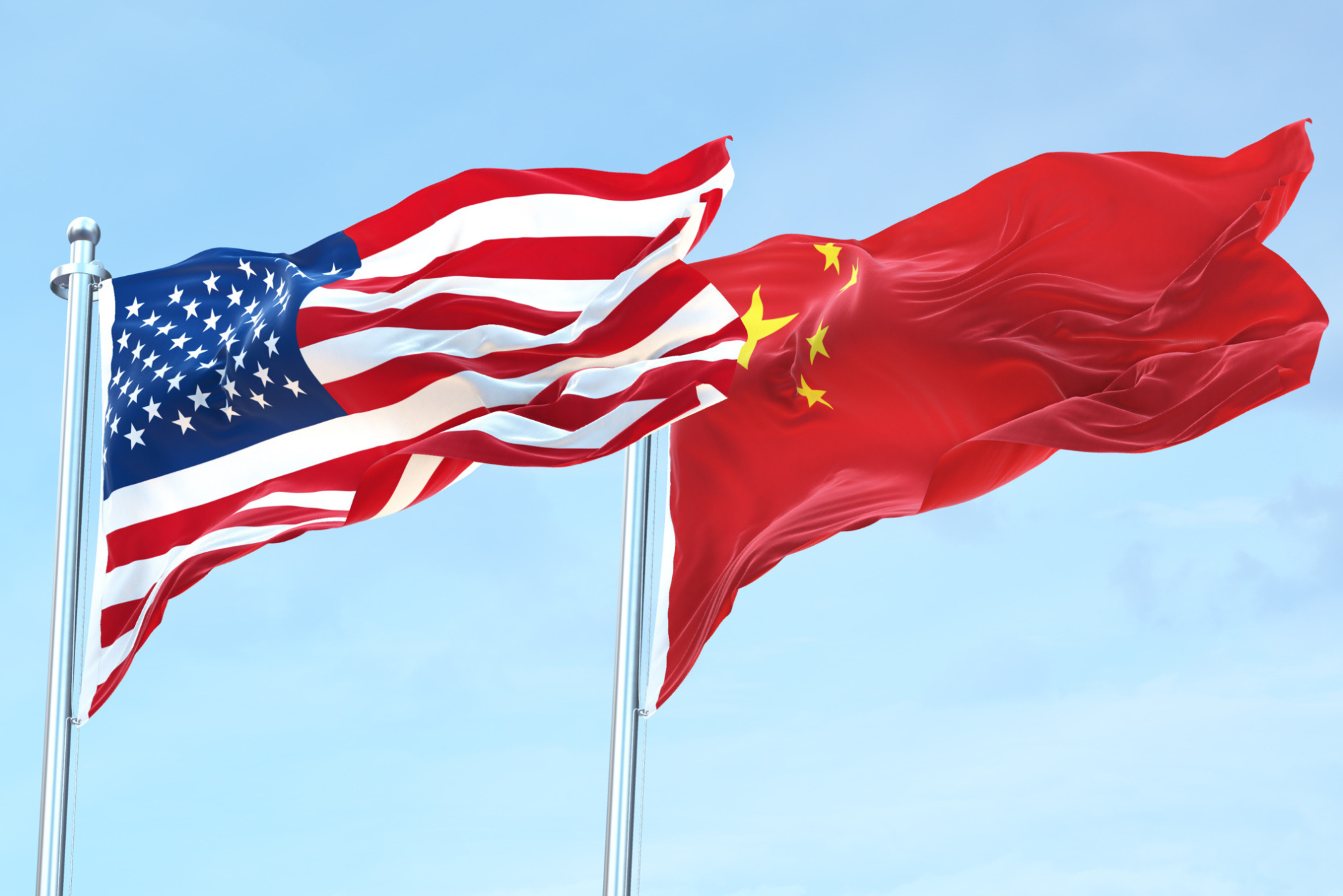
Director of National Intelligence Avril Haines and former Chairman of the Joint Chiefs of Staff Admiral Mike Mullen had a lively discussion about the increasingly challenging U.S.-China relationship during NTI’s annual Board of Directors dinner.
Some former government officials are proposing that the United States resume explosive nuclear weapons testing. It is exactly the wrong response to today’s escalating nuclear threats.
Cara Wilson, NTI’s Nuclear Materials Security intern, had the chance to speak with Kylie Jones, a researcher with the Carnegie Endowment for International Peace’s Nuclear Policy Program and a former James C. Gaither Junior Fellow.
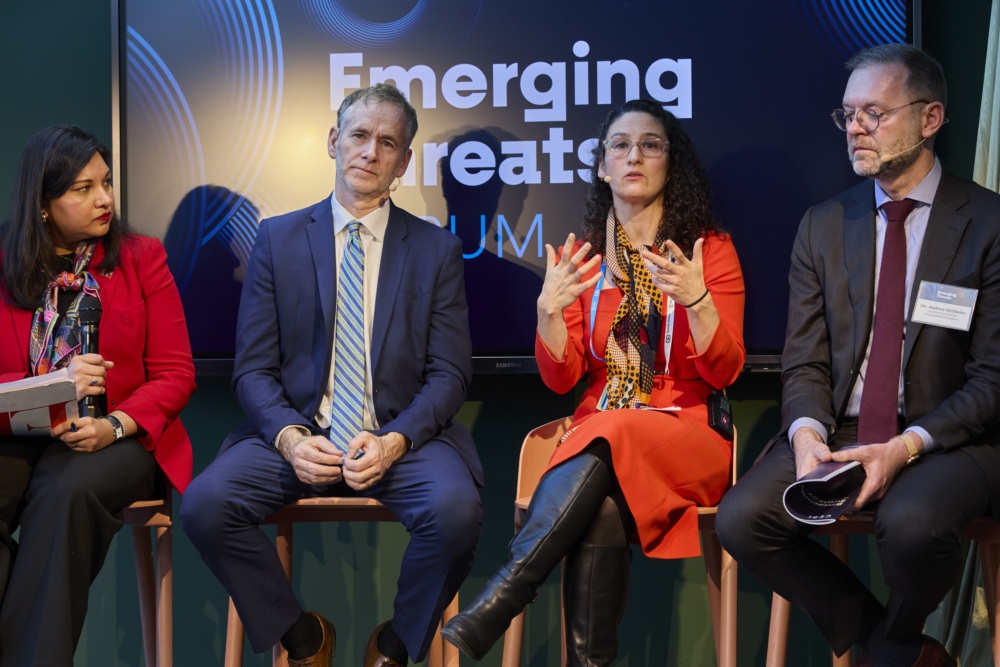
Given rising H5N1 bird flu cases in cows and new cases in humans, enhancing global pandemic detection, prevention, and response is crucial. The Global Health Security Conference (GHSC) earlier this summer provided an excellent opportunity for health and security leaders to discuss solutions to address biological threats.
In the latest addition to NTI’s “Young Voices” series, NTI intern Evelyn Hunter spoke to Zoe Melton, a rising 9th grader from Portola Valley, California, who has developed a strong interest in the history of nuclear weapons development and the Cold War, evolving modern-day nuclear threats, and the need for bold new leadership.
New York-based designer Olivia Cheng discusses the intersection of fashion and activism for a world without nuclear weapons in a new blog post that dives deep on her creation for #CranesForOurFuture and what the origami crane means to her.
Kyiv-based artist Mariia Lapitan-Yashchenko specializes in paper art, in addition to graphic and web design. For this year’s #CranesForOurFuture campaign, she contributed a paper art piece that highlights our collective responsibility to create a safer world without nuclear weapons.
Senior Director, Communications
Director, Communications
Sign up for regular updates on innovative, real-world solutions to existential threats.
{ location = 'https://www.nti.org/get-updates/' }, 300);">Get Updates