Here we highlight the work of NTI and share knowledge, ideas, and viewpoints addressing the crosscutting challenges our world faces—addressing risks while supporting innovation—to make our world safer.
Most of us think of cognitive biases as quirks of everyday decision-making, but a recent Texas National Security Review study shows they are deeply embedded in people’s attitudes toward nuclear weapons and war.
How the U.S. Maintains Its Nuclear Arsenal—Without Explosive Testing
The U.S. ended explosive nuclear testing in the 1990s, but that does not mean we are unprepared. In its place, the U.S. uses a science-based program that checks the health of the stockpile continuously and reports out every year to the President.
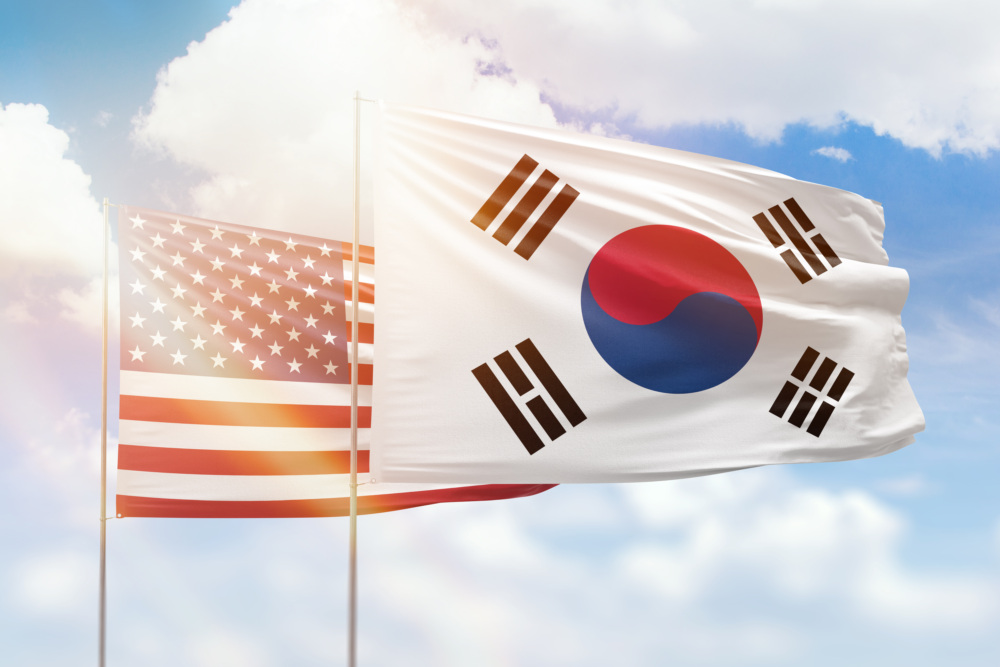
To Lead in Nuclear Energy, the U.S. and Korea Must Avoid the Reprocessing Trap
One of the most consequential decisions countries will face is whether to take a costly detour into nuclear fuel reprocessing, a technology that has failed every promise it has made.
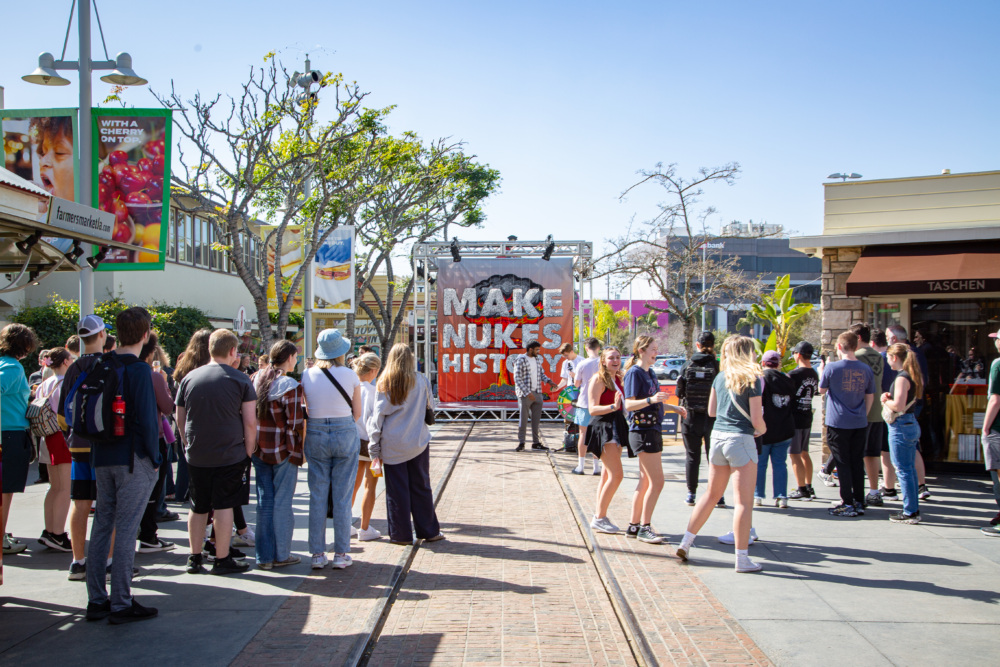
Why A House of Dynamite is a Wake-Up Call for Gen Z
To younger generations, nuclear threats often feel like a thing of the past. Engaging Gen Z requires new tools, like art and film, to connect with people in ways they understand and humanize the issues.
Unlike past technological disruptions to global security which were driven by governments, market forces and business dominate today’s global innovation space. This includes working not only with thought leaders, but the doers that affect change. The latest FutureSafe Innovation Forum welcomed Dr. Kimberly Budil, Director of Lawrence Livermore National Laboratory, to discuss the future of national security science.
New research is beginning to reveal how nuclear use could trigger widespread environmental damage, economic disruption, societal upheaval, and global instability. A modern, evidence-based understanding of these risks is essential for decision-makers and the public to grasp what is at stake if nuclear deterrence fails.
August 29 is the International Day Against Nuclear Tests—a time to recognize the devastating toll of nuclear weapons tests and to recommit to a future without them.
Three of NTI’s staff members have spent significant time in Japan, where their experiences have influenced their engagement in the nuclear field, often in unexpected ways. In this post, they share their deeply personal reflections on what the commemoration of the U.S. bombings of Hiroshima and Nagasaki means to them.
Hope Lingers: A Conversation with Artist Kei Ito on his Artwork Honoring Victims of the U.S. Bombing of Hiroshima
Kei Ito is the grandson of a Hiroshima atomic bomb survivor, and his interdisciplinary art explores the legacy of that trauma through themes of memory, identity, and the invisible impacts of nuclear war. NTI’s Grace Wankelman connected with Ito to discuss a powerful new piece of art he created for this year’s #CranesForOurFuture campaign.
Young Voices in International Security: Naina Singh
Despite still being in high school, Naina Singh has created impactful educational content on nuclear politics and served as a co-instructor for Soka University’s Nuclear Politics Program, teaching both undergraduate and graduate students.