
Scott A. Roecker
Vice President, Nuclear Materials Security
Global leaders had no baseline for assessing the security of weapons-usable nuclear materials or nuclear facilities.
With Economist Impact, NTI created the NTI Nuclear Security Index, a first-of-its-kind public benchmarking of nuclear security conditions around the world.
After helping shape the agenda at the Nuclear Security Summits through 2016, the NTI Index continues to spur countries to enhance nuclear security and reduce highly enriched uranium (HEU) stocks.
22 countries have nuclear materials that could be used to build a nuclear bomb and 154 other countries without such materials could serve as safe havens, staging grounds, or transit routes for illicit nuclear activities. Countries with and without nuclear materials must be accountable for their efforts to prevent a nuclear catastrophe, which would inevitably have global implications. Constant vigilance by nuclear operators, governments, and international organizations is needed to keep pace with evolving threats.
In partnership with Economist Impact, NTI developed the Nuclear Security Index to promote action to strengthen nuclear security, track progress, identify nuclear security priorities, and build accountability. With its first three editions timed for release before the 2012, 2014, and 2016 Nuclear Security Summits, the NTI Index measured progress, including actions taken to fulfill summit commitments, in an era when global leadership and political attention on nuclear security were at their highest levels. Keeping track of nuclear security is even more important now that the summits have ended.
Today, the NTI Index is recognized as the premier resource and tool for tracking progress on nuclear security. It serves as a much-needed forcing function for continued progress by highlighting evolutions in best practices and priorities, raising red flags where gaps and challenges remain unaddressed, and promoting action and accountability. The NTI Index also provides an assessment of the health, sustainability, and comprehensiveness of the global nuclear security architecture, including the International Atomic Energy Agency (IAEA) and international treaties.
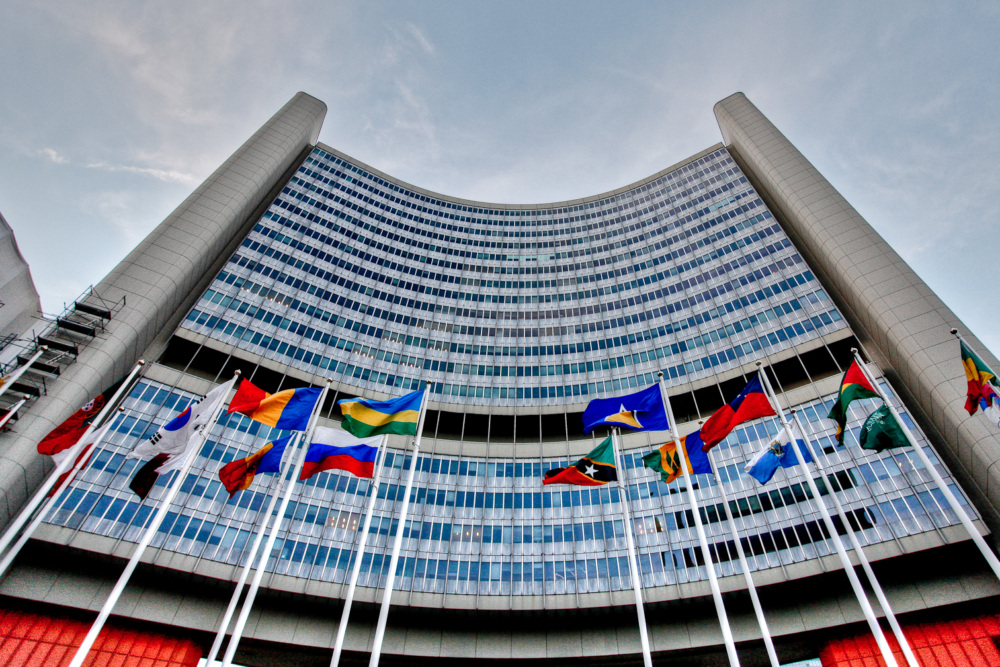
Governments should use the 2024 International Conference on Nuclear Security (ICONS) to reaffirm their commitment to preventing nuclear catastrophe.
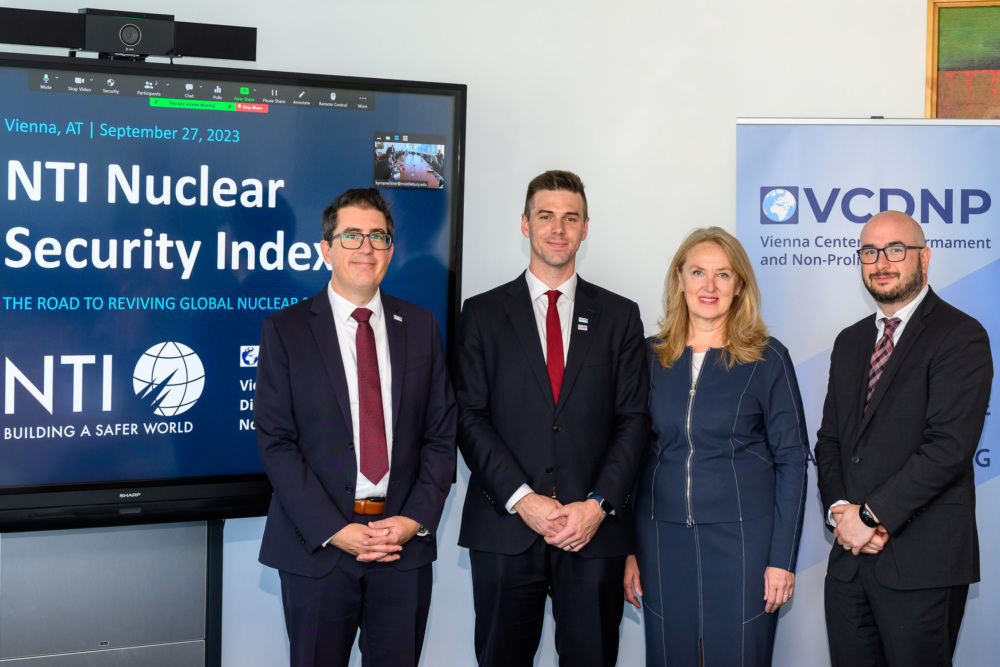
NTI and the Vienna Center for Disarmament and Non-Proliferation (VCDNP) hosted an event on the margins of the International Atomic Energy Agency’s (IAEA) 67th General Conference to discuss key findings from the 2023 NTI Nuclear Security Index.
Past Event
Vienna Center for Disarmament and Non-Proliferation - Donau-City Strasse 6, Andromeda Tower, Floor 13/1, 1220 Vienna, Austria
|
13:00-14:30 CET
The NTI Index is recognized as the premier resource and tool for evaluating global nuclear and radiological security.
“The bottom line is that the countries and areas with the greatest responsibility for protecting the world from a catastrophic act of nuclear terrorism are derelict in their duty,” the 2023 NTI Index reports.
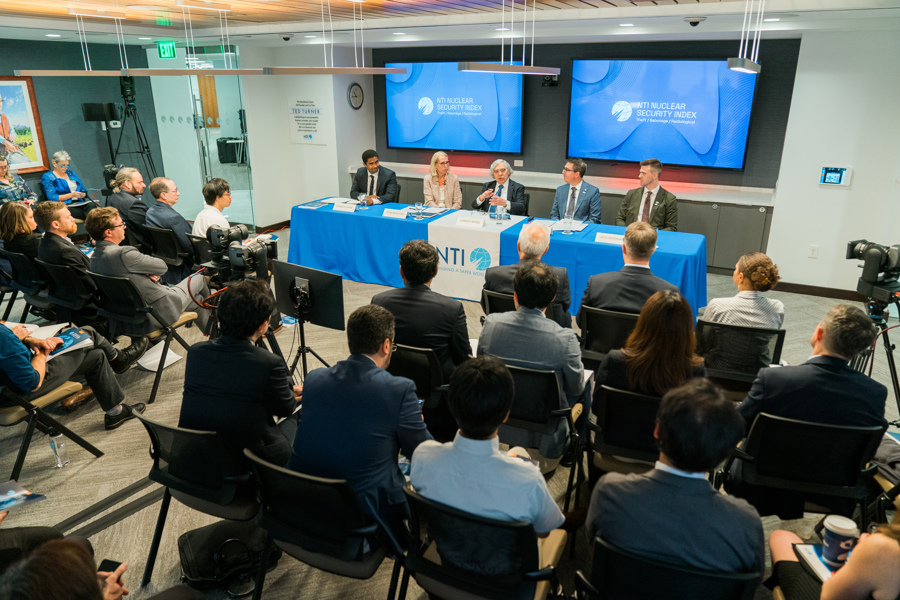
“The bottom line is that the countries and areas with the greatest responsibility for protecting the world from a catastrophic act of nuclear terrorism are derelict in their duty,” the 2023 NTI Index reports.
Past Event
10AM EDT
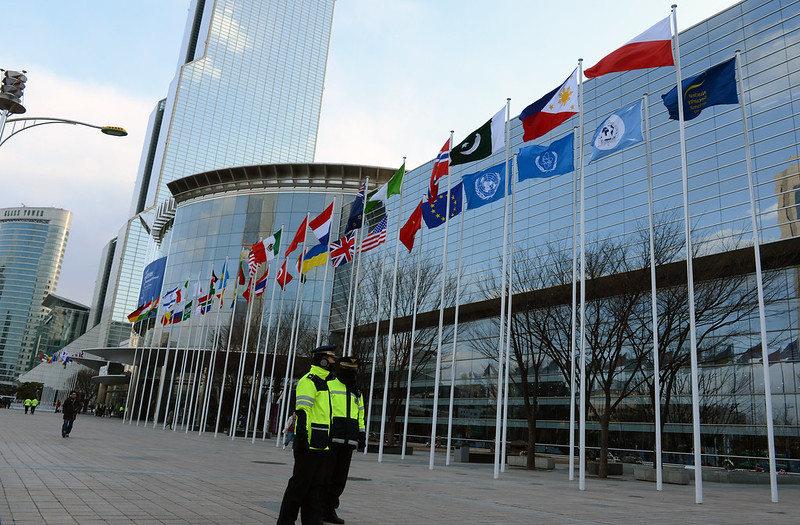
Nuclear security experts from around the world joined NTI Tuesday for a webinar on “Global Tools for Nuclear Security: An Introduction to IAEA Information Circulars on Nuclear Security.”
Countries should step up their efforts to close gaps and support, contribute to, and participate in efforts to bolster the global nuclear security architecture.

Nuclear Security is Only as Strong as the Weakest Link: 2020 NTI Index Highlights Cybersecurity and Insider Threat Prevention
The 2020 NTI Nuclear Security Index finds that progress on protecting nuclear materials from theft and sabotage has slowed significantly over the past two years.

Past Event
11:00 AM EDT
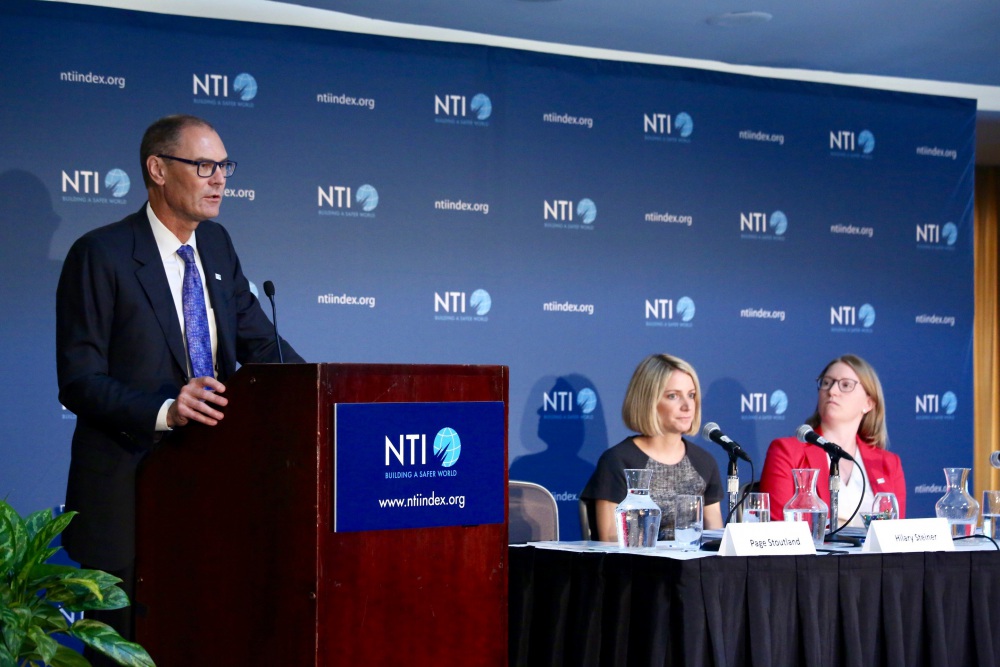
NTI announces the winners of the 2019 NTI Nuclear Security Index Challenge.
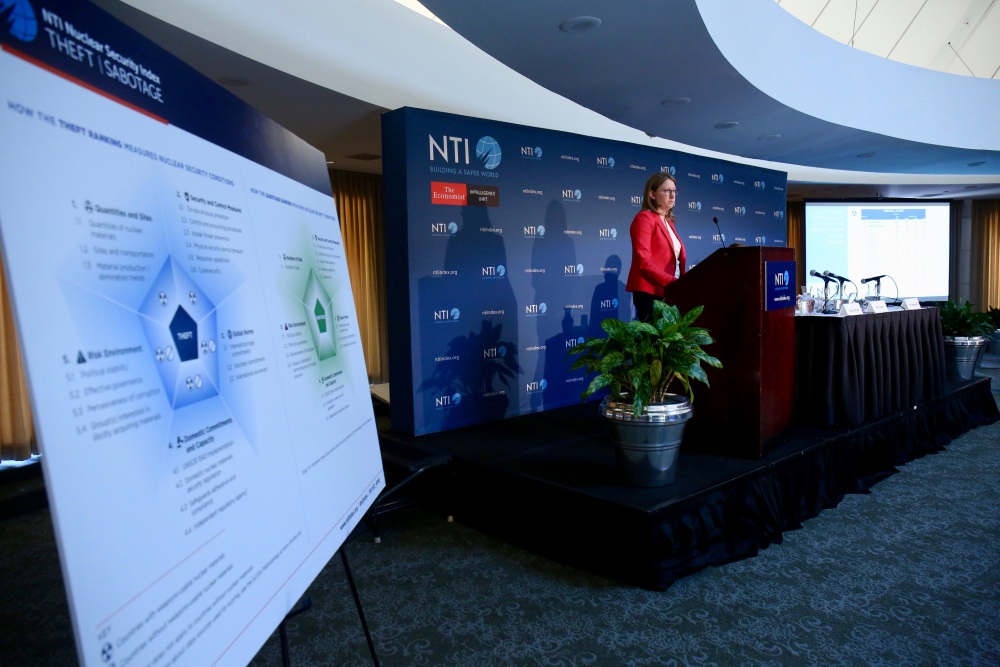
NTI Nuclear Security Index Challenge calls for proposals that use the rankings to spur government action.
Past Event
Ronald Reagan Building and International Trade Center 1300 Pennsylvania Ave NW, Washington, DC
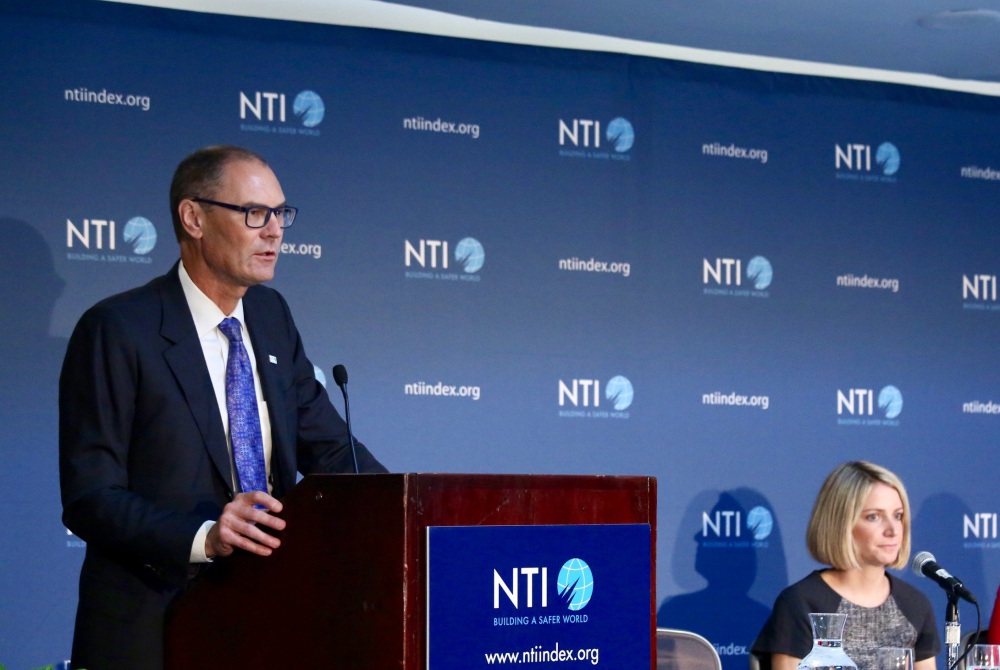
The NTI Nuclear Security Index finds that the steps countries have taken to reduce nuclear terrorism are jeopardized by various factors.
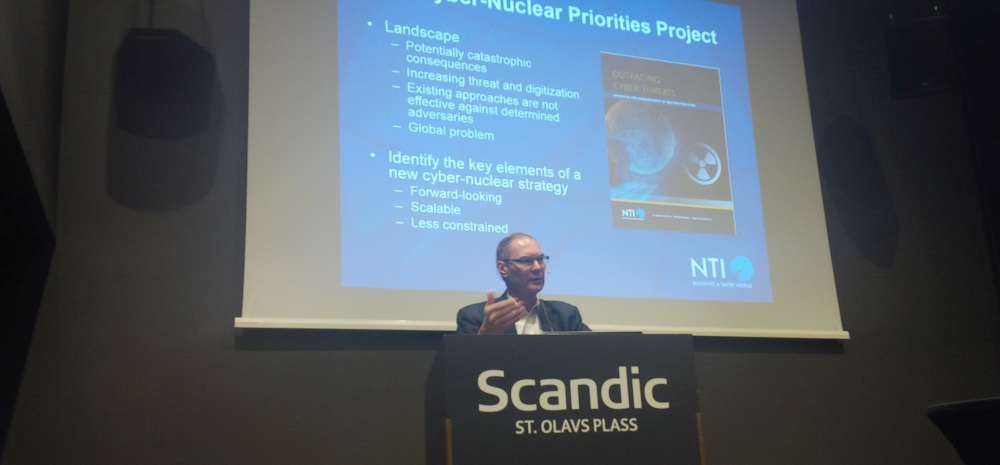
The group discussed nuclear security and nuclear forensics techniques, crucial aspects to tracking nuclear material.
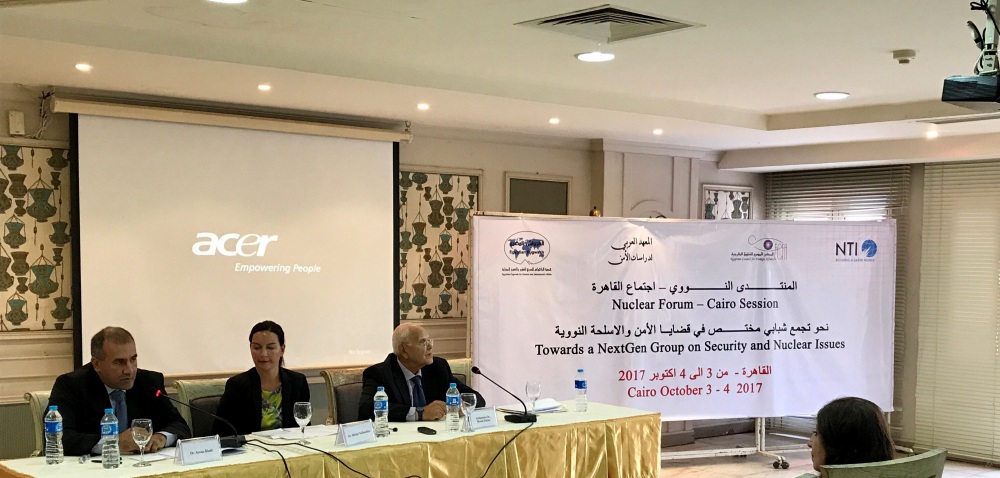
NTI's Michelle Nalabandian joined the Egyptian Council for Foreign Affairs and the Egyptian Pugwash Association in Cairo, meeting with young professionals to discuss WMD issues.
Dr. Page Stoutland, Vice President for Scientific and Technical Affairs lauded Dumbacher's experience with cyber security and national security policy.
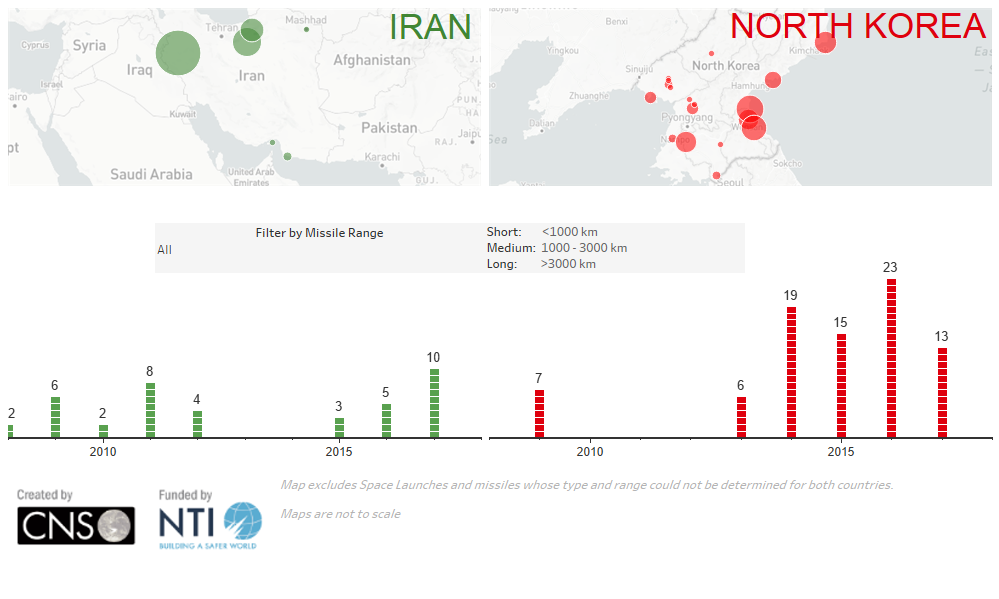
This first-of-its-kind, downloadable database is accompanied by an interactive map that illustrates the tests by location, missile name and type, and results.
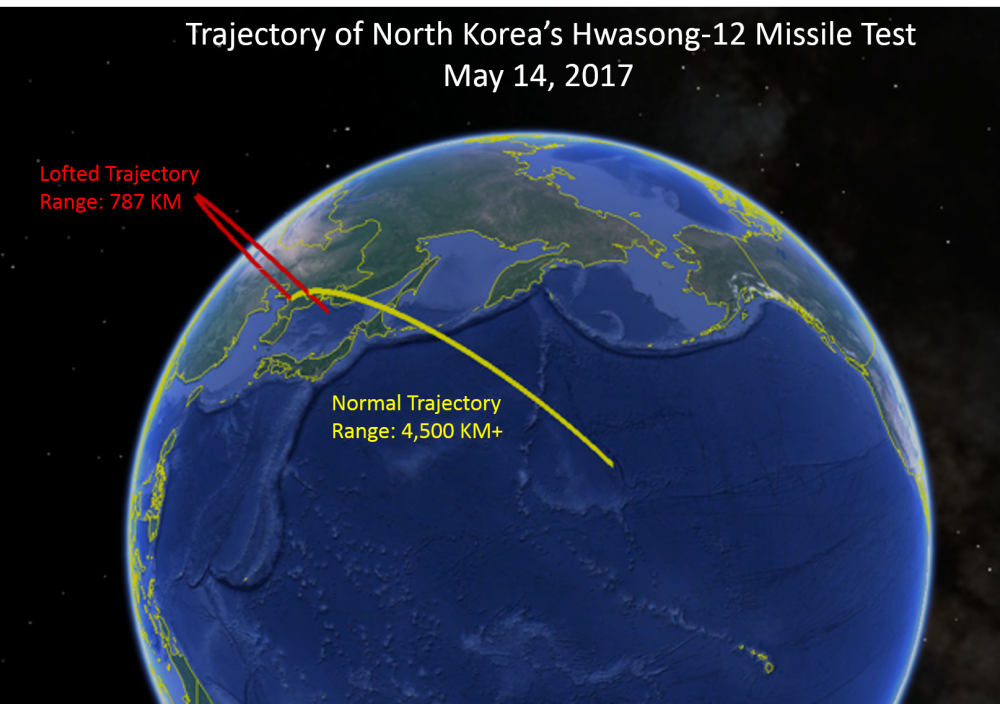
On May14th, North Korea tested its longest-range missile to date, the Hwasong-12, which flew 787 kilometers with the potential to go much further.
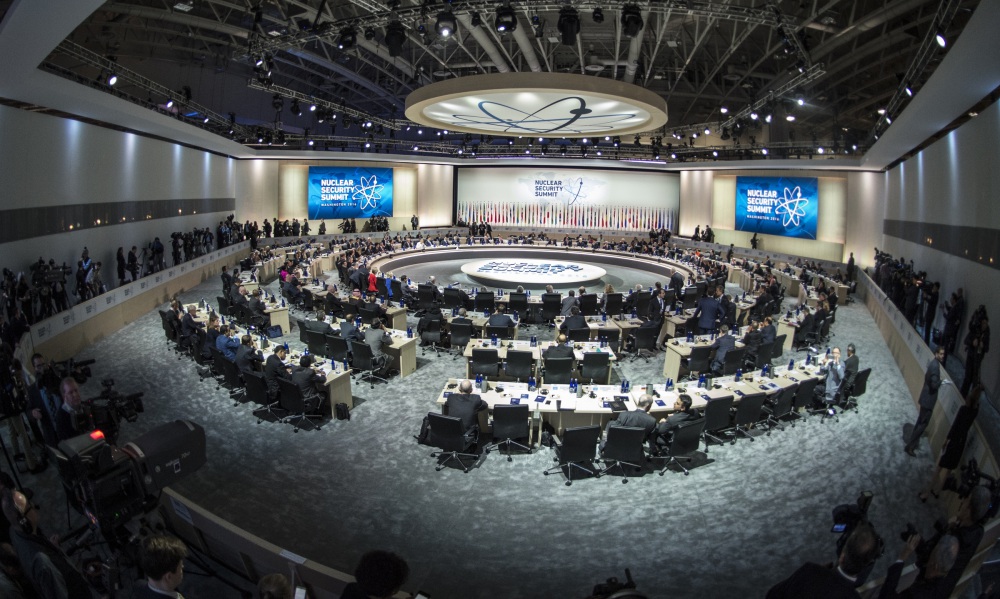
An updated, two-session education module on nuclear materials security for undergraduate or graduate courses is now available, based on the 2016 Nuclear Security Summit
The Asia-Pacific Leadership Network released a series of articles providing regional perspectives to the Nuclear Threat Initiatives 2016 Nuclear Security Index.
Past Event
James Martin Center for Nonproliferation Studies, 1400 K Street, NW, Suite 1225, Washington, DC, 20005
Past Event
Lindner Commons, 6th floor, 1957 E Street, NW Washington, DC 20052
Washington Post praises achievements but also raises concerns about future progress after the fourth and final Nuclear Security Summit.
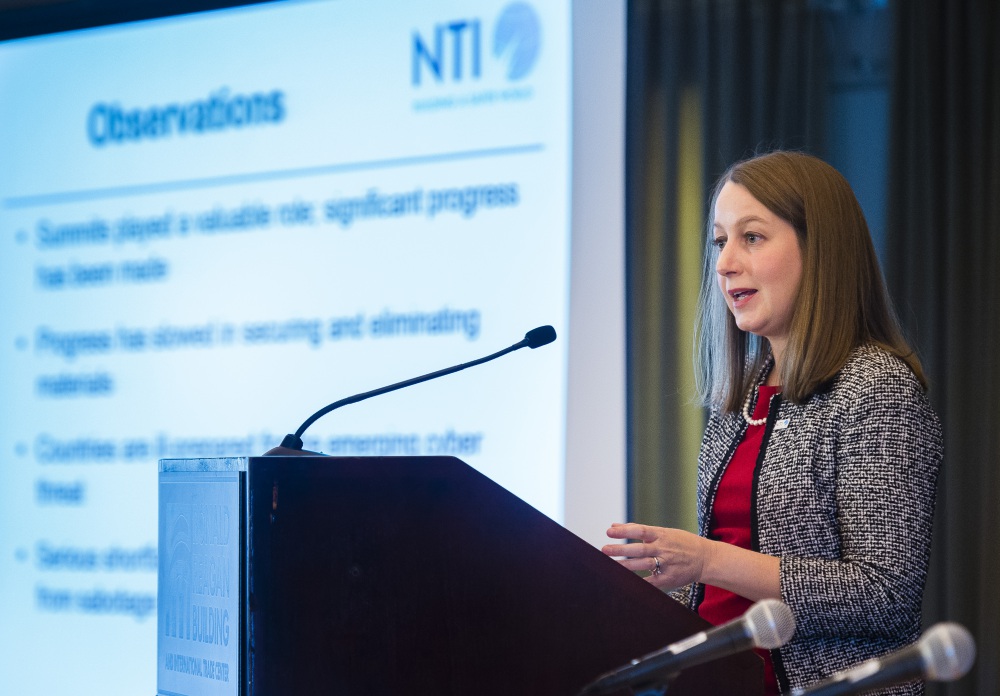
While the three previous Nuclear Security Summits have resulted in much progress to secure the world’s vulnerable nuclear materials, significant security gaps remain.

New videos are available of the launch of the 2016 Nuclear Security Index, a unique public assessment of the security of the world’s deadliest materials.
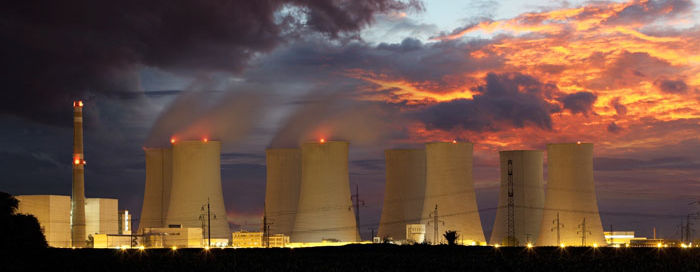
The 2016 NTI Nuclear Security Index finds that progress on reducing the threat of nuclear terrorism has slowed and major gaps remain in the global nuclear security system.

Past Event
Ronald Reagan Building and International Trade Center
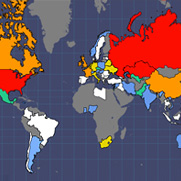
Because highly enriched uranium (HEU) is a key ingredient in nuclear weapons, it is important to track how much civil HEU exists and where it is.
Past Event
Newseum, Washington, DC
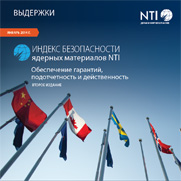
Download the Russian, Chinese, Arabic, French, or Spanish translations of the 2014 NTI Nuclear Materials Security Index report’s foreword, executive summary, and select country profiles.

NTI experts available to members of the new media covering the 2014 Nuclear Security Summit
Past Event
Vienna, Austria

Past Event
Washington, DC
A new, short video describes three real-world nuclear security breaches and the steps to prevent terrorists from getting a nuclear weapon.
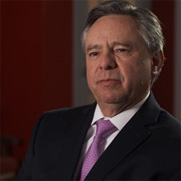
A new video, shown at the launch of the 2014 NTI Index, applauds the seven countries that removed all or most weapons-usable nuclear materials since 2012.
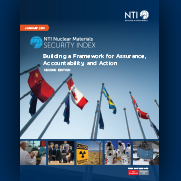
Index Highlights Positive Trends and Dangerous Gaps As World Leaders Prepare for Nuclear Security Summit in March
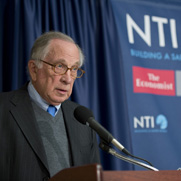
NTI Co-Chairman Sam Nunn speaks at the release of the 2014 NTI Nuclear Materials Security Index launch at the National Press Club.
Past Event
National Press Club
The release of the 2014 NTI Nuclear Materials Security Index, a unique public assessment of nuclear materials security conditions in 176 countries.
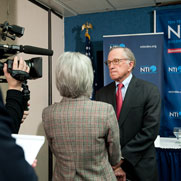
In January 2012, the NTI released their Nuclear Materials Security Index, a first-of-its-kind public assessment of nuclear materials security conditions in 176 countries.

Past Event
Washington, DC

Past Event
The Brookings Institution
NTI contributes an article on the NTI Nuclear Materials Security Index to the inaugural INENS Insights publication, distributed at the NPT PrepCom in May 2012
NTI's Deepta Choubey was featured alongside MacArthur Foundation President Bob Gallucci and Harvard's Matt Bunn.
NTI senior director, Deepti Choubey, noted that transparency is a key issue for countries in the region with weapons-usable nuclear materials.
Past Event
London, United Kingdom
Past Event
Vienna, Austria
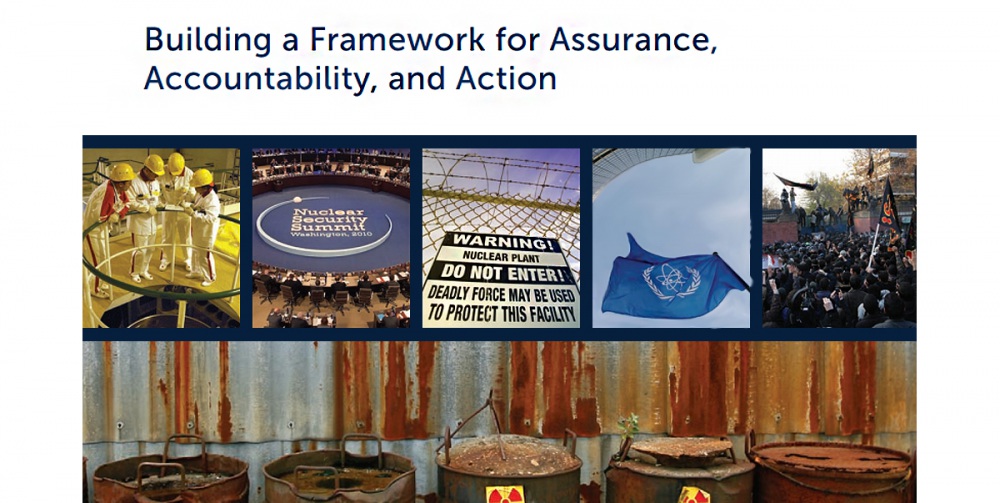
The Index examines nuclear security conditions in 176 countries, underscoring that there is no global consensus on steps to secure nuclear materials.
Past Event
National Press Club, Washington, DC
The Index was created to spark an international discussion about priorities required to strenghten security and ensure governments reduce risks.
Sign up for regular updates on innovative, real-world solutions to existential threats.